What you can actually mandate
The franchisors we work best with, the ones who care about brand identity rather than just licensing a name, tend to hold pricing and menu tightly at the head office.
What’s genuinely common, however, isn’t a full lockdown of the menu. In some cases, menus can be offered as a subset. So head office controls the full menu, and a franchisee can choose which parts of it to sell. A franchisee might drop milkshakes entirely because their site doesn’t have room for the machine, for instance. That’s the most common variation I see between franchise sites: not different products, but a different slice of the same list.
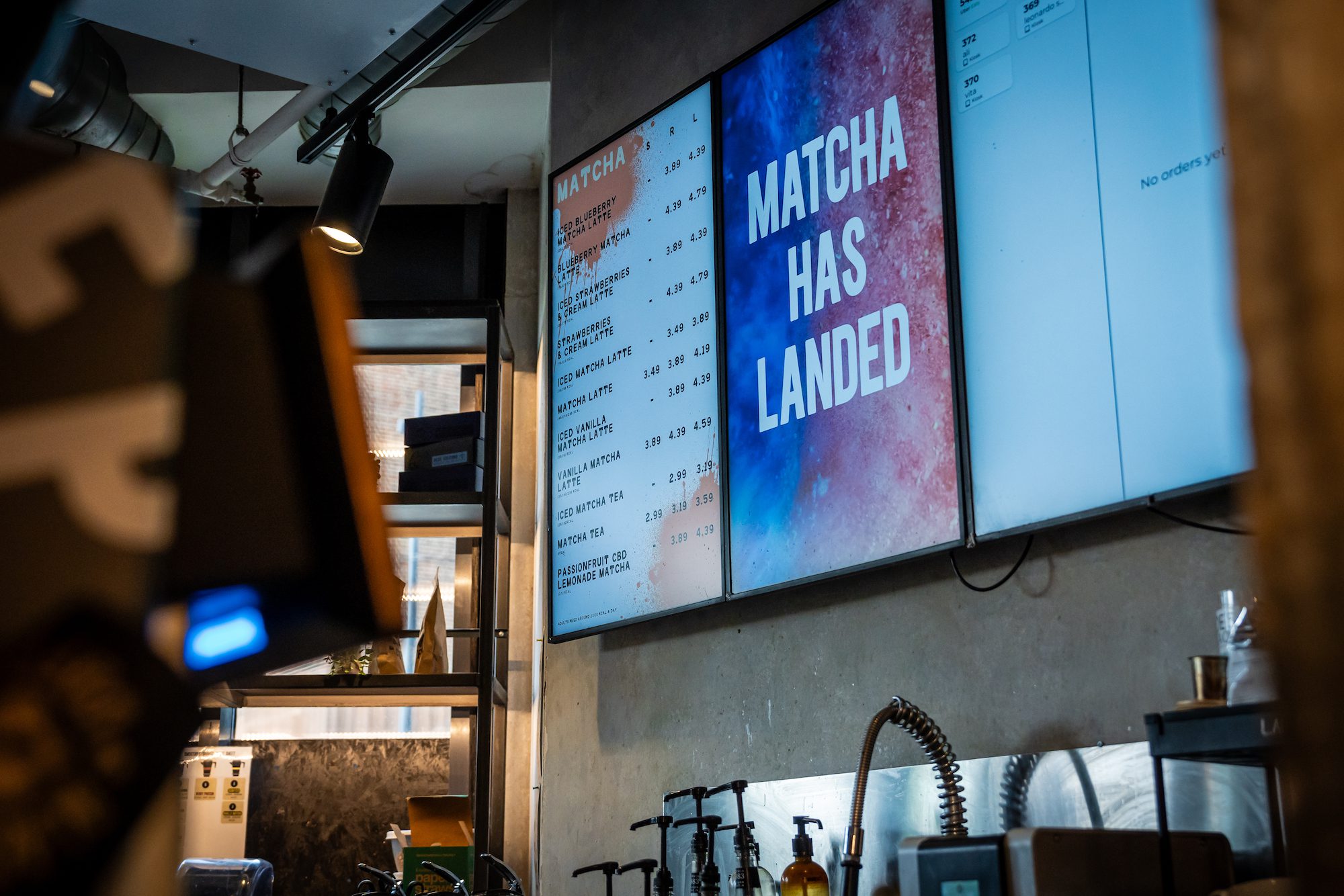
Pricing works the same way. Let every site set its own price and it gets messy fast. If you have a genuine case for regional variation, London rents versus everywhere else, for example, set up pricing bandings instead: banding A, B, C, and let the franchisee pick the band that fits their site. That’s far cleaner than fielding an individual request every time a franchisee notices the coffee shop next door is £1 cheaper.
Promotions sit somewhere in between. National promotions should run everywhere. Local promotions are your call, and there’s usually a reasonable case for allowing them, because royalties come back to you regardless of the franchisee’s margin. The marketing spend for a local promotion typically comes out of the franchisee’s own fee, not your budget.
If you take one framework from this article, take this: lock down what matters to the brand, and where you can’t lock it down, structure the flexibility instead of leaving it open-ended.
Where standards quietly slip
Loyalty is the clearest example of where inconsistency actually costs a brand something. If your sites run on different systems, a customer can walk into one location and find their points don’t work there. The customer doesn’t care whether that site is franchised or company-owned. They just had a poor experience with your brand.
There’s a fear that stops a lot of franchise businesses adopting loyalty at all: that a customer could earn points at one site and redeem them at another, at that second franchisee’s expense. I’ve heard this concern from many franchise businesses. I have never once seen evidence of it actually happening at scale. If this is the reason your loyalty programme is still sitting on a roadmap, it’s worth asking whether the fear is backed by anything real, or whether it’s costing you more in fragmented customer experience than it’s protecting. The actual answer is reporting: if you’re worried about it, the data lets you reallocate spend or discounts however you see fit.
The same principle holds just as true away from the till. Kitchen Management System (KMS) data has become genuinely useful for franchisor head offices: how long a new menu item actually takes to make, how wait times compare site to site.
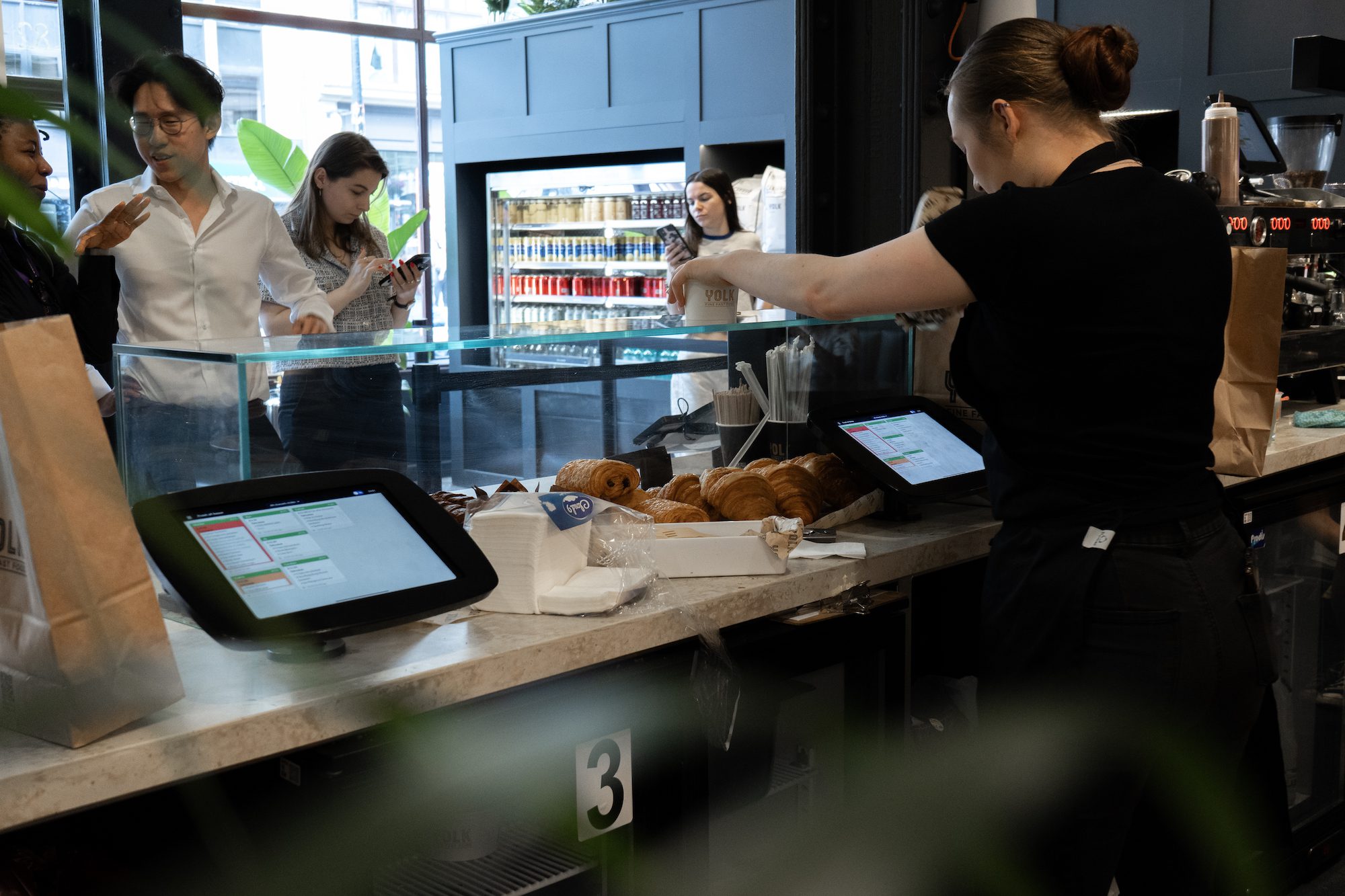
With a tool like Scout, Vita Mojo’s AI Analyst, the depth of benchmarking you can do between sites is considerably better, without a franchisee ever feeling like they’re being watched rather than supported. That distinction, visibility versus surveillance, matters more to franchisee relationships than most tech decisions get credit for.
How to tell if you’re actually serious about your brand
Here’s a question worth asking yourself, the same one I ask franchisors when I’m scoping a deal: how carefully are you screening the people you’re handing your brand to? Your answer tells you more about whether consistency is a genuine priority for your business, or just a line on a slide, than any system you could buy.
Some franchisors take this further. We’re currently working with franchisors who are buying back their own franchisees and bringing those sites back in as equity, because they would rather have direct control than deal with underperformance at arm’s length.
That’s not a cheap decision. But it tells you plainly whether a business got into franchising as a fast way to make money, or because it still loves the industry and is building for the long haul. Neither is necessarily wrong, but only one tends to require a tech stack built around genuine standards.
What this means for you
The tension in franchising right now is that everyone wants more for less: kiosk, loyalty, a fully joined-up stack, without always thinking through whether those pieces actually work together. It’s common to see franchise businesses buy one tool at a time, then realise a year in that none of it scales the way they need, and have to backtrack. Margins are tight, hardware costs are rising, and franchisees can only absorb so much of that.
What I’d like to see change over the next 12 months is franchisors getting more selective about who they grow with: fewer, better franchisees, and less mess on the books. That takes real investment, in hardware and in the system underneath it, but it’s the only version of this that scales without cracking under its own growth.
If you’re in the middle of that right now, the fix usually isn’t more tools. It’s fewer, better-connected tools, and a clearer view of what you’re actually trying to protect. Before your next franchisee joins, or your next system decision gets made, it’s worth asking three things: what you actually need to mandate versus recommend, where your visibility is currently a guess rather than data, and how carefully you’re screening the people you’re trusting with your name.
Consistency was never about forcing every site to look identical. It’s about deciding, deliberately, what has to be locked down and what can be left to the people actually running the tills. Get that distinction clear, and the tech stack underneath it becomes a lot easier to choose.