
9 October 2026
Creative foodies, behaving like a tech team: inside The Salad Project’s innovation story
Clem Haxby of The Salad Project shares how a team with no tech background built a loyalty-led digital growth engine.

Does your food business comply with Natasha’s Law?


In October 2021, Natasha’s Law came into force in the UK, requiring clear labelling of all ingredients and allergens on pre-packed foods sold at food outlets.
Natasha’s Law reflects a wider trend towards food allergy awareness in the UK. The past two decades have seen a significant increase in food allergies in the West and today 1-2% of adults and 5-8% of children live with a food allergy.
Concerns around this issue are widespread, even beyond allergy sufferers. Research showed that 88% of the British public was in full support of the introduction of Natasha’s Law.
What does all this mean? Operators, allergen and ingredient transparency should be high on your agenda. All businesses need to meet the requirements of law, but those who go above and beyond could see boosted brand affinity and customer satisfaction.
In this blog, we’ll answer all your questions about Natasha’s law, and share our top tips for getting your hospitality business on top of its allergy awareness game.
Natasha’s Law, also known as the UK Food Information Amendment, is legislation on the labelling of prepackaged food in the United Kingdom.
Under Natasha’s Law all prepacked for direct sale (PPDS) food is legally required to have clear ingredients and allergen labelling. The new labels must contain:
Natasha’s Law was passed following the tragic death of 15-year-old Natasha Ednan-Laperouse in 2016. The law aims to protect allergy sufferers from hidden allergens and give them more confidence when buying food out.
With the grab-and-go market now bigger than ever, it is essential that all hospitality operators understand the details of this legislation.
If you sell any food that qualifies as Prepacked for Direct Sale (PPDS) then your business must comply with Natasha’s Law. This means any food which is packaged at the same site as it is offered or sold to consumers.
Common examples of PPDS food include:
Natasha’s Law does not apply to any food that is packaged after being ordered – nutritional information must still be available but is not required to be on a label. Food that is packaged offsite is already required to have full allergen and ingredients labelling.
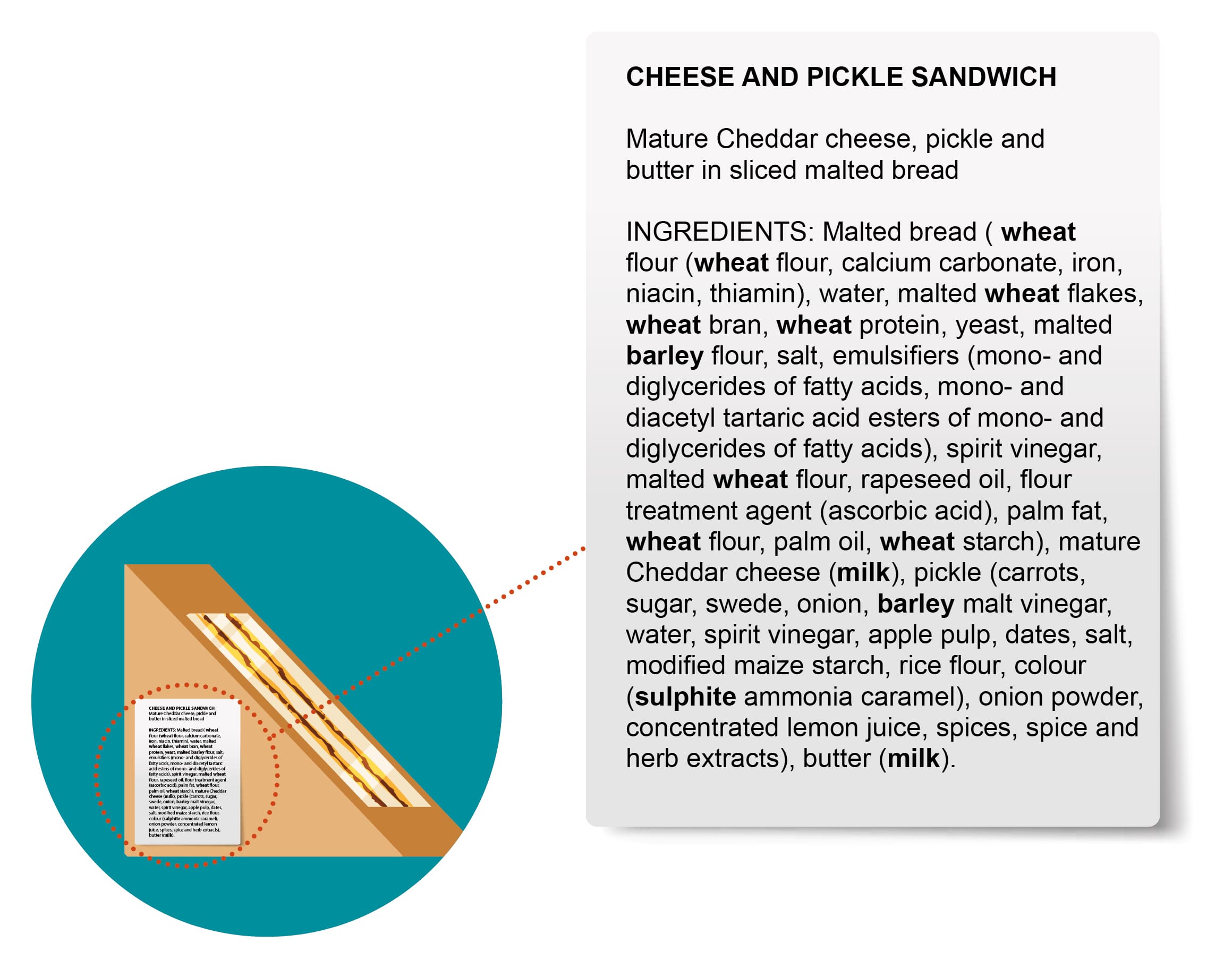
The number one essential for compliance with Natasha’s Law is thorough, accurate food labelling. You need to find a provider who can provide you with labels for all of your PPDS food which meet the Food Standard Agency (FSA)’s requirements.
If you are selling any PPDS food which is not labelled with full ingredients and allergen information then you could face a fine of up to £5000.
In addition to accurate food labels, staff allergen training is another essential for compliance with Natasha’s Law. Operators must be able to deliver safe food and avoid cross-contamination of allergens, which means ensuring staff have access to accurate allergen information and a good understanding of the risks associated with this.
The FSA provides free online food allergy and intolerance training which you can access here.
Even beyond Natasha’s Law, operators should be mindful of the fact that allergies and intolerances are on the rise. According to research by MarketsandMarkets, the free-from food market is set to reach $6.47bn by 2023 – this presents both a challenge and an opportunity for the foodservice industry.
The risks associated with wrongly serving allergenic foods are high, but for those providing convenient and compassionate experiences for customers affected by allergies, the potential rewards are significant, including an increase in return custom and brand evangelism.
How tech can simplify nutrition transparency.
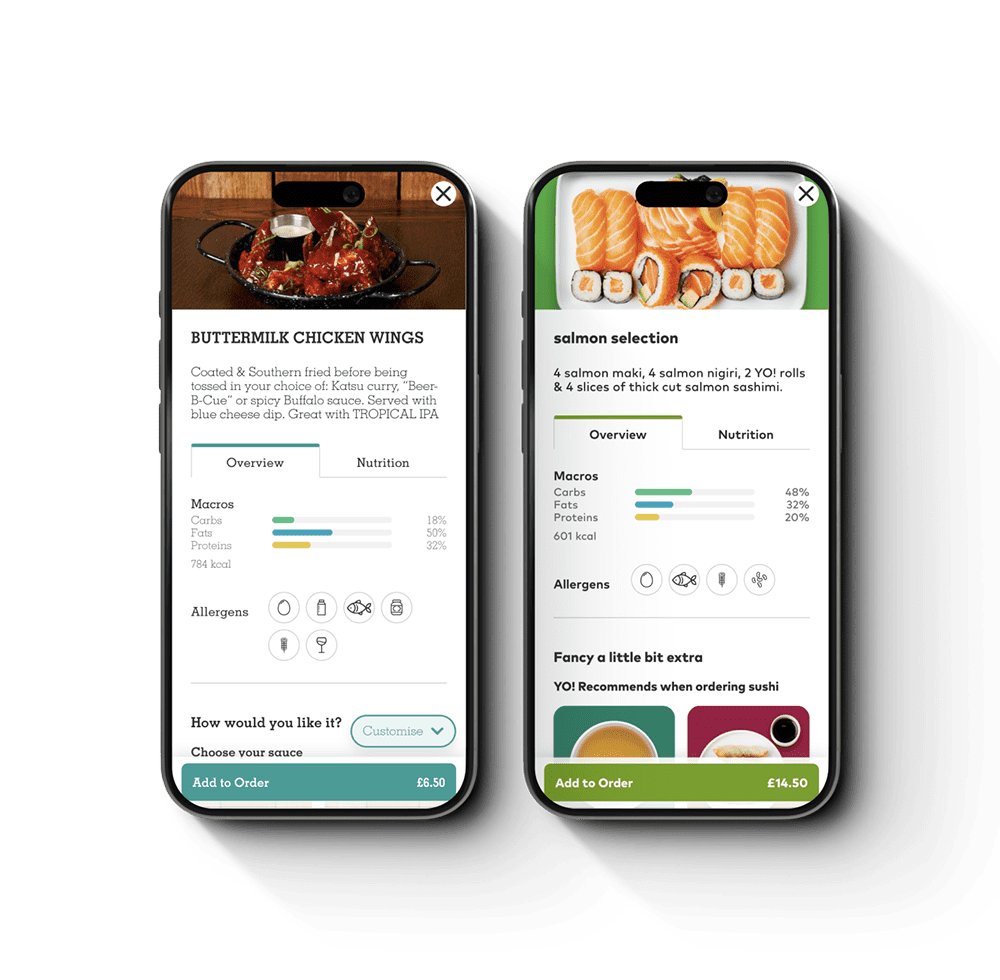
Above and beyond the requirements of the law, there are many ways to make your business more accessible to allergy sufferers. Technology should help with this – a flexible digital ordering system can help you provide nutritional info without too much additional work for your staff.
Here are five key allergy and nutritional considerations for your food business, and how Vita Mojo’s Operating System helps you to put each of them into practice.
How can The Vita Mojo Order Management System help?
How can The Vita Mojo Order Management System help?
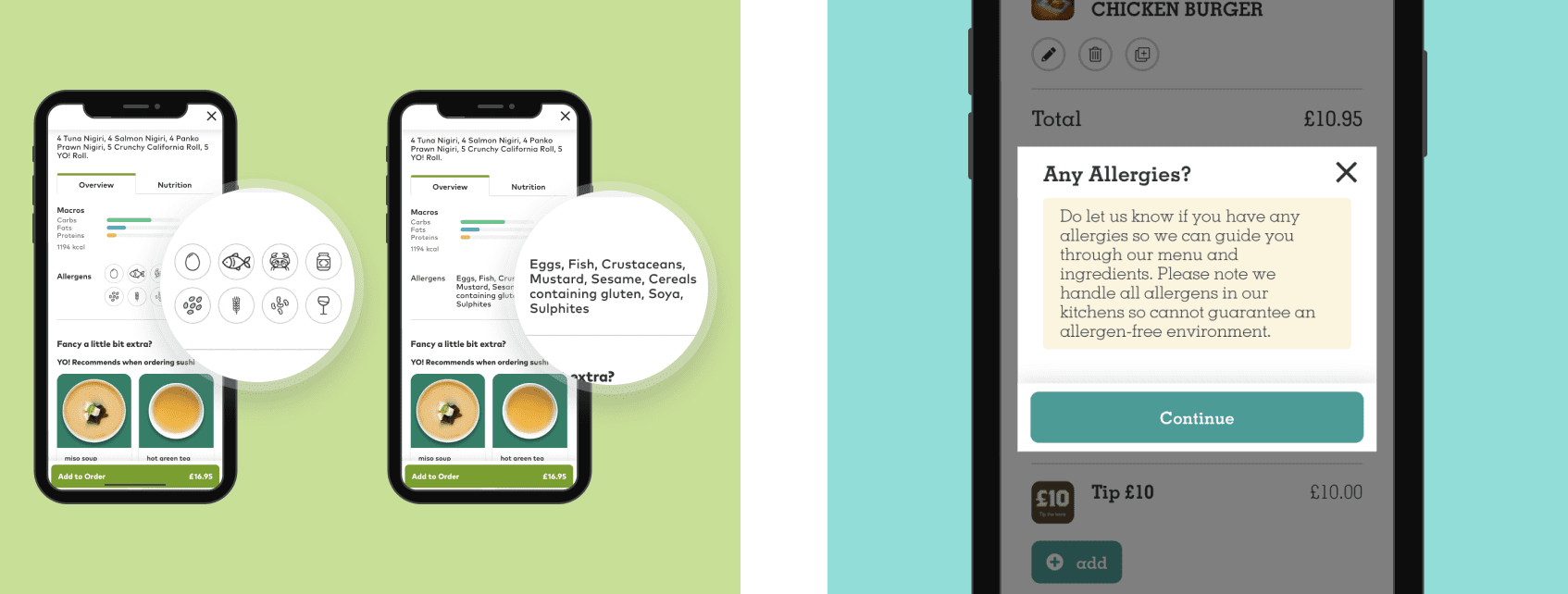
How can The Vita Mojo Order Management System help?
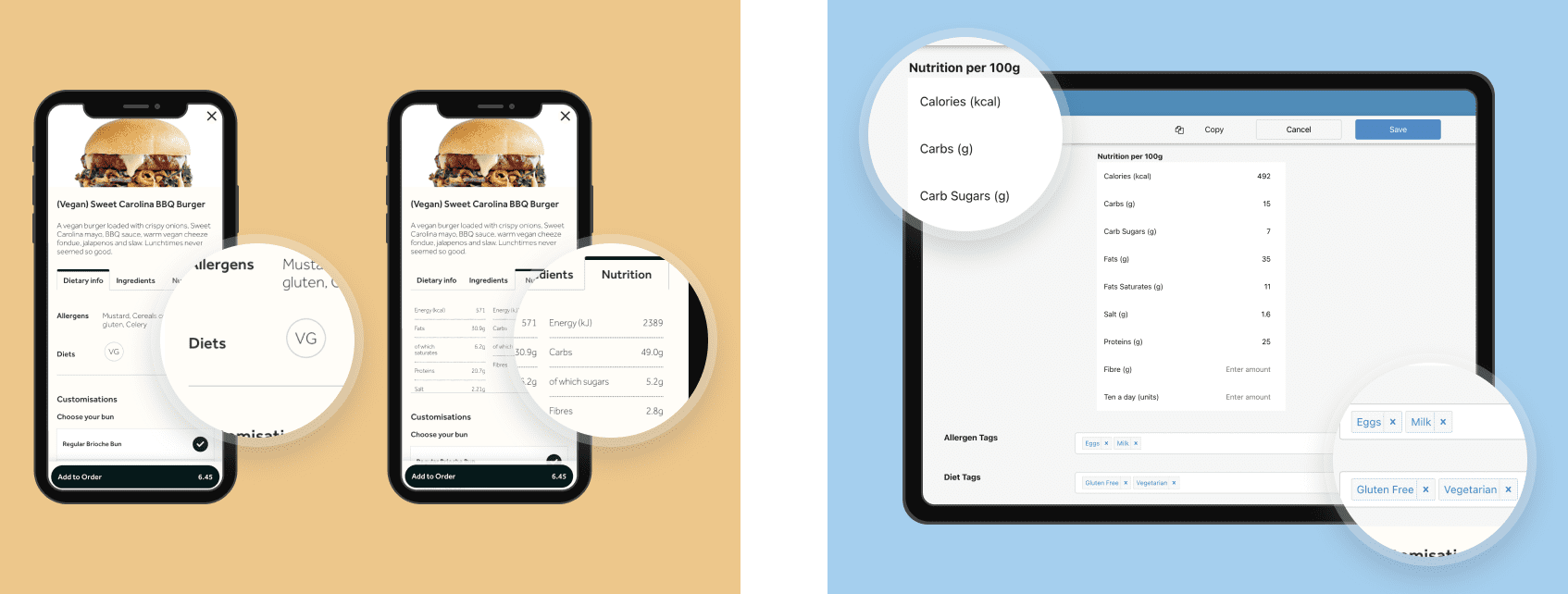
How can The Vita Mojo Order Management System help?
How can The Vita Mojo Order Management System help?
Find out how the Vita Mojo Order Management System can keep your operation allergy compliant without the headache.
Clem Haxby of The Salad Project shares how a team with no tech background built a loyalty-led digital growth engine.
Chris George, VP of Product, walks through six months of delivered features and gives a first look at the second half of 2026.

How does a fast-growing QSR brand scale through franchising without losing control? Five lessons from YouMeSushi’s Tim Circus, Head of Franchise.

Want to see more from Vita Mojo?