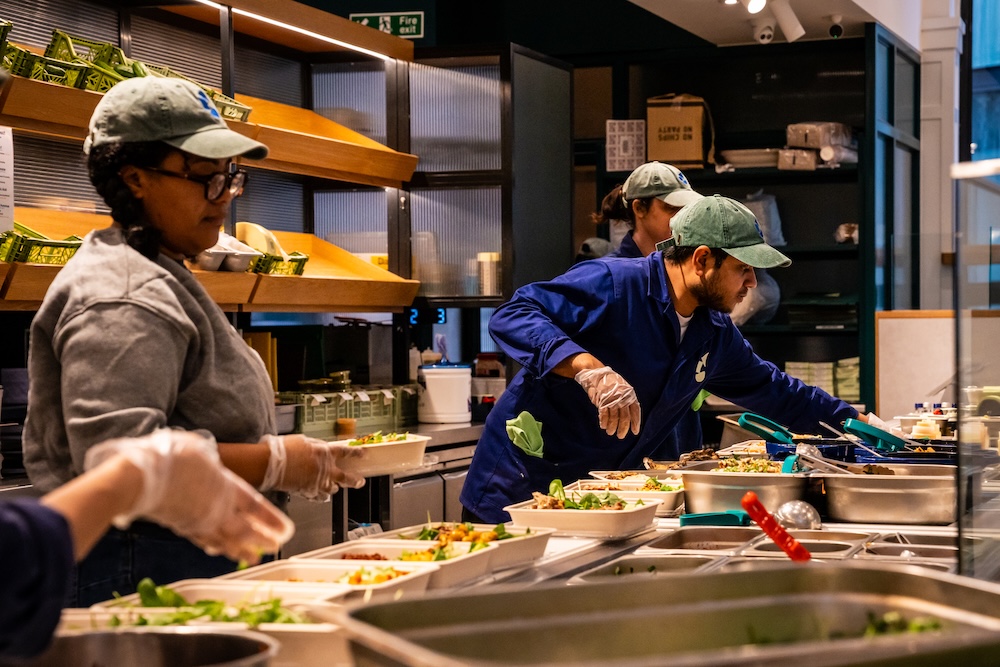
Clem Haxby is the first to admit that The Salad Project did not start out with a grand technology strategy. On stage at MCA Innovation Conference 2026, the Director of Product laughed off any idea that it was all mapped out.
However, what the brand did have in 2021 was a clear picture of the experience it wanted to give guests. That picture, more than any roadmap, has shaped its technology since.
Here are some of the highlights from Clem’s conversation with Danna Gurbaxani, Chief Revenue Officer at Vita Mojo.
A tech business… with no tech background
When The Salad Project opened, the fashionable line among fast-growing quick service restaurant brands was: “We’re a tech business, we’re not a food business.” The founding team liked the sound of that, until they realised none of them knew much about tech.
Clem’s background is in culinary arts, and the co-founders, James and Florian, are hospitality specialists, not tech experts. So the thinking became, “We want to create a hospitality experience that didn’t exist in the QSR realm already.” And for The Salad Project, that meant meeting customers where they already are, rather than trying to create something they didn’t realise they needed.
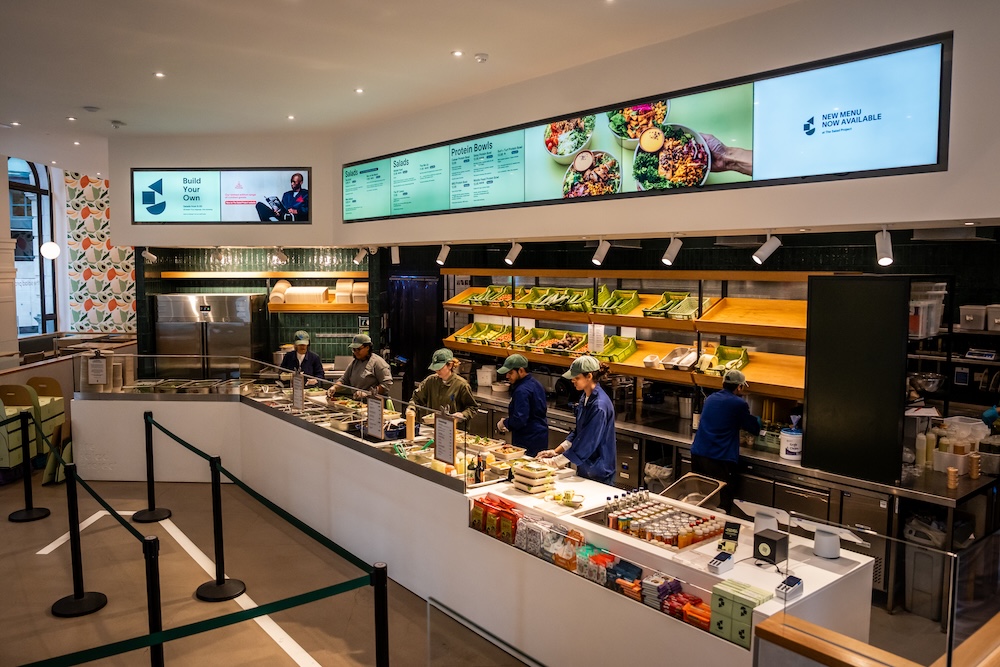
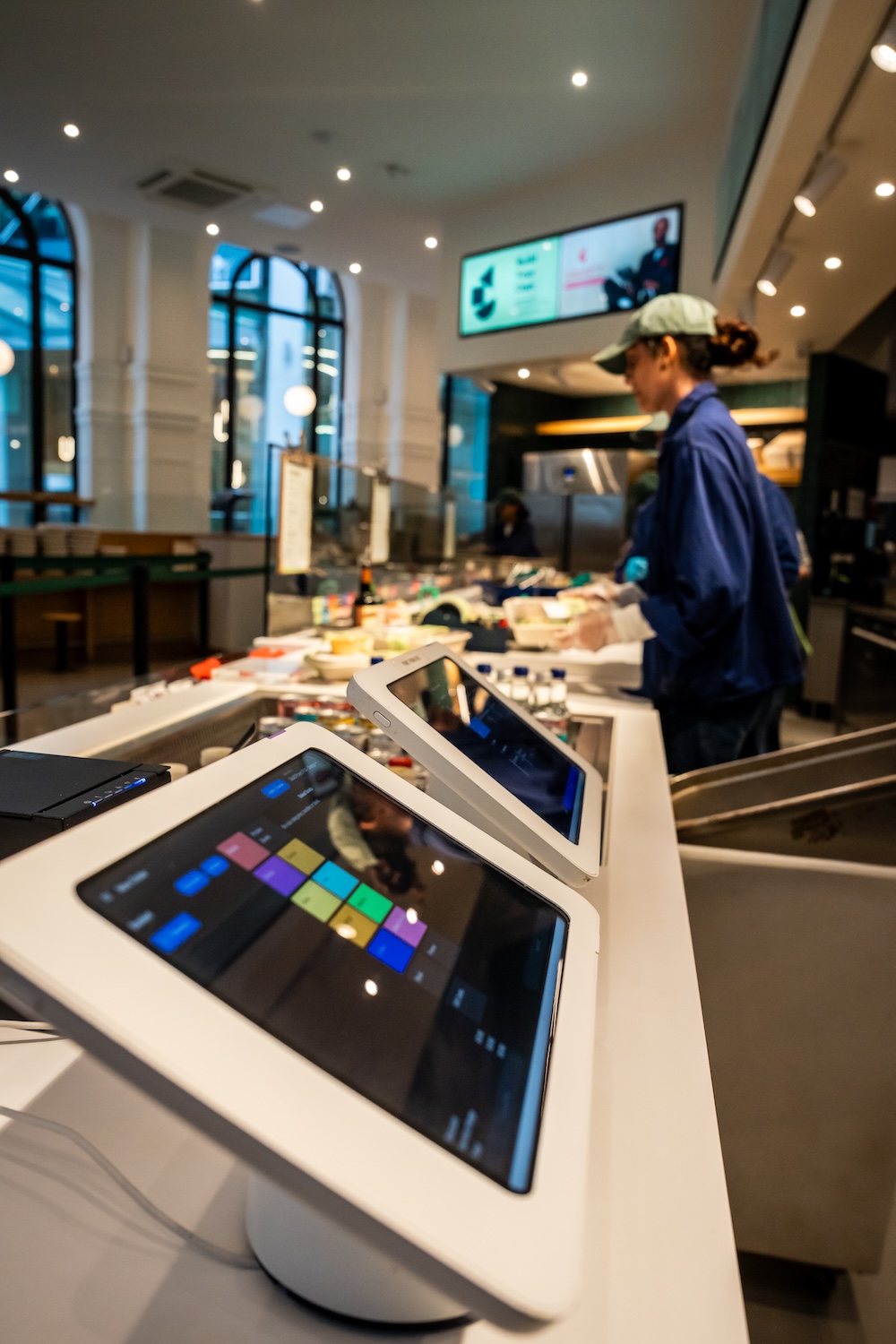
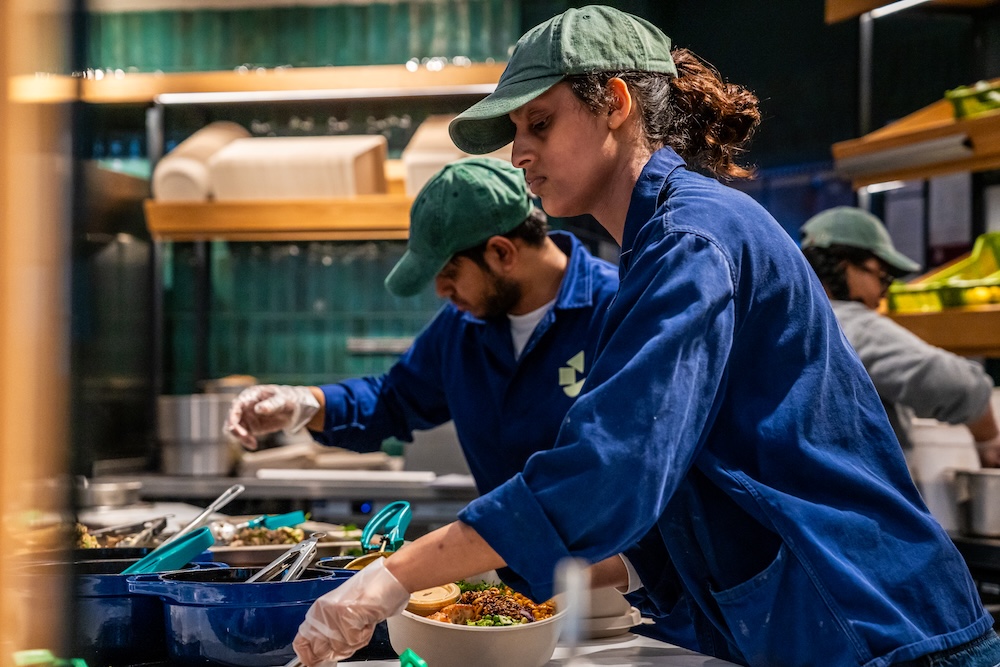
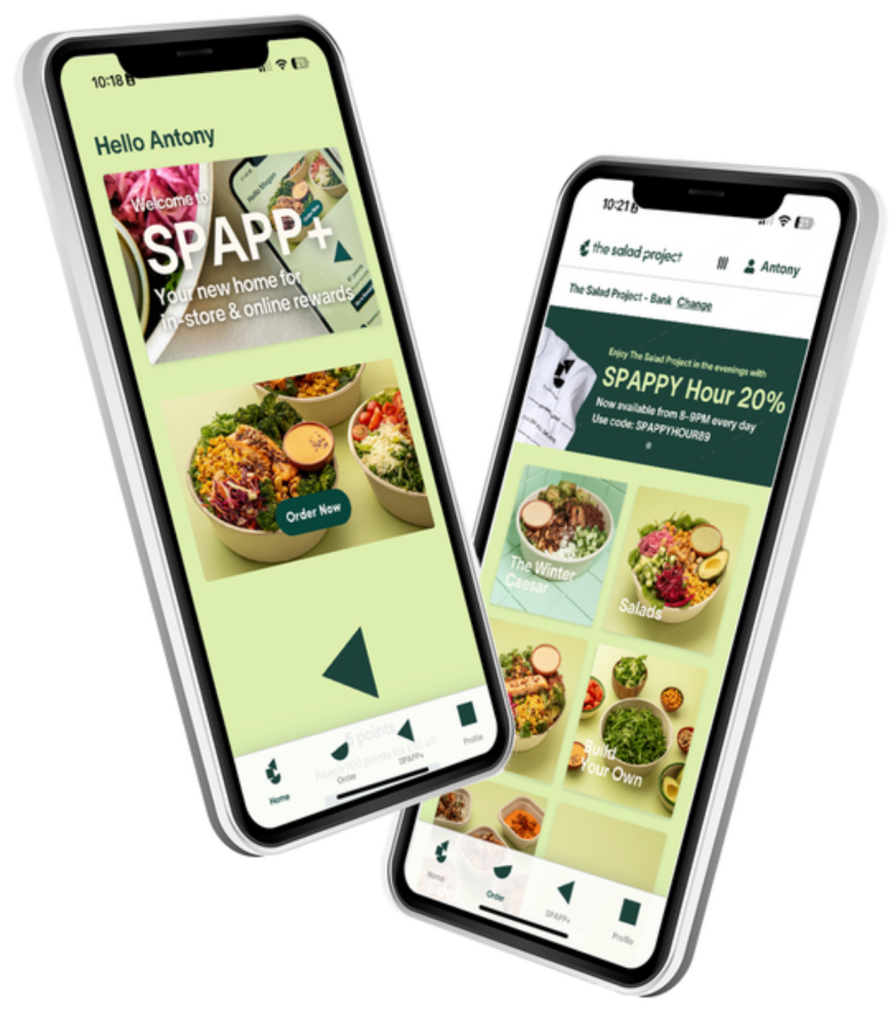
The launch goal was simple: queues out of the door. But then, as Clem said, “People get quite angry when they have to queue for too long.” So the goal became: “We need to be really quick at serving the salads, so Ops can deal with that, and then for the people who just have no time, which is lots of our customers, we thought, from day one, we need to make sure there’s a hack: skip the queue, order online.”
This defined The Salad Project’s experience from the start: the operations team focused on speed, and for any customers still short of time, Click & Collect offered a way to skip the queue altogether.