
15 July 2026
Vita Mojo’s 2026 product roadmap: What we’ve built, what’s next
Chris George, VP of Product, walks through six months of delivered features and gives a first look at the second half of 2026.

Learn how an order-centric approach to tech can solve the top challenges facing QSR operations, and unlock new avenues to growth.


Ensuring your quick service restaurant (QSR) operations are running smoothly is a difficult challenge.
Then, expanding those operations across multiple sites, brands and channels while keeping costs down and driving revenue…
For many ambitious hospitality brands, this can seem impossible.
But it can be done.
Look at pioneering QSR brands like Deep Blue, LEON, and Tossed. All have taken complete control of operations while unlocking their potential to grow.
So how have they achieved this?
Let’s look at exactly what QSR brands want to achieve, the obstacles to these goals, and how some operators are clearing these hurdles along the way…
According to KAM’s research into QSR trends Hospitality Tech 2024: Bridging the efficiency and profitability gap, the top five focus areas for QSR operators are:


Unsurprisingly the top priority for QSR brands is growth. Still, with guest expectations shifting, constantly changing industry conditions, and overly complicated tech solutions, it’s difficult to simply manage running the day-to-day.
This doesn’t leave enough time to focus on how to actually grow the business.

Tech should be helping answer this challenge. But in reality, it’s often contributing to the lack of efficiency and wasted time in QSR operations.
Let’s look at the main challenges of running efficient order management, the current solutions, and how other approaches may better future-proof your business.
It might seem unimaginable, but it’s actually possible to stop dedicating hours to menu updates and to spend that time on more valuable jobs thanks to centralised menu management.
Instead of menus being spread around separate providers, an order-centric approach to tech includes menus from every channel and third-party delivery partners, all being handled in the same system.
Forget endless hours of manual editing across accounts, with inevitable human error. Update menu items quickly and efficiently with a single update pushed out to multiple channels – instantly.

Increasing orders is one thing, but if your kitchen isn’t equipped to fulfil more tickets, it’s a recipe for kitchen chaos.
Raising the amount of orders without improving the efficiency of the back-of-house increases the likelihood of slow order fulfilment, inaccurate meals and lower-quality food.
Instead of packing the kitchen with enough iPads to rival an Apple store, take a more holistic approach that allows your team to rely on just one, with orders from every channel appearing on that one screen.
Your kitchen team can fulfil more orders, with less chaos, unlocking growth potential for your business.
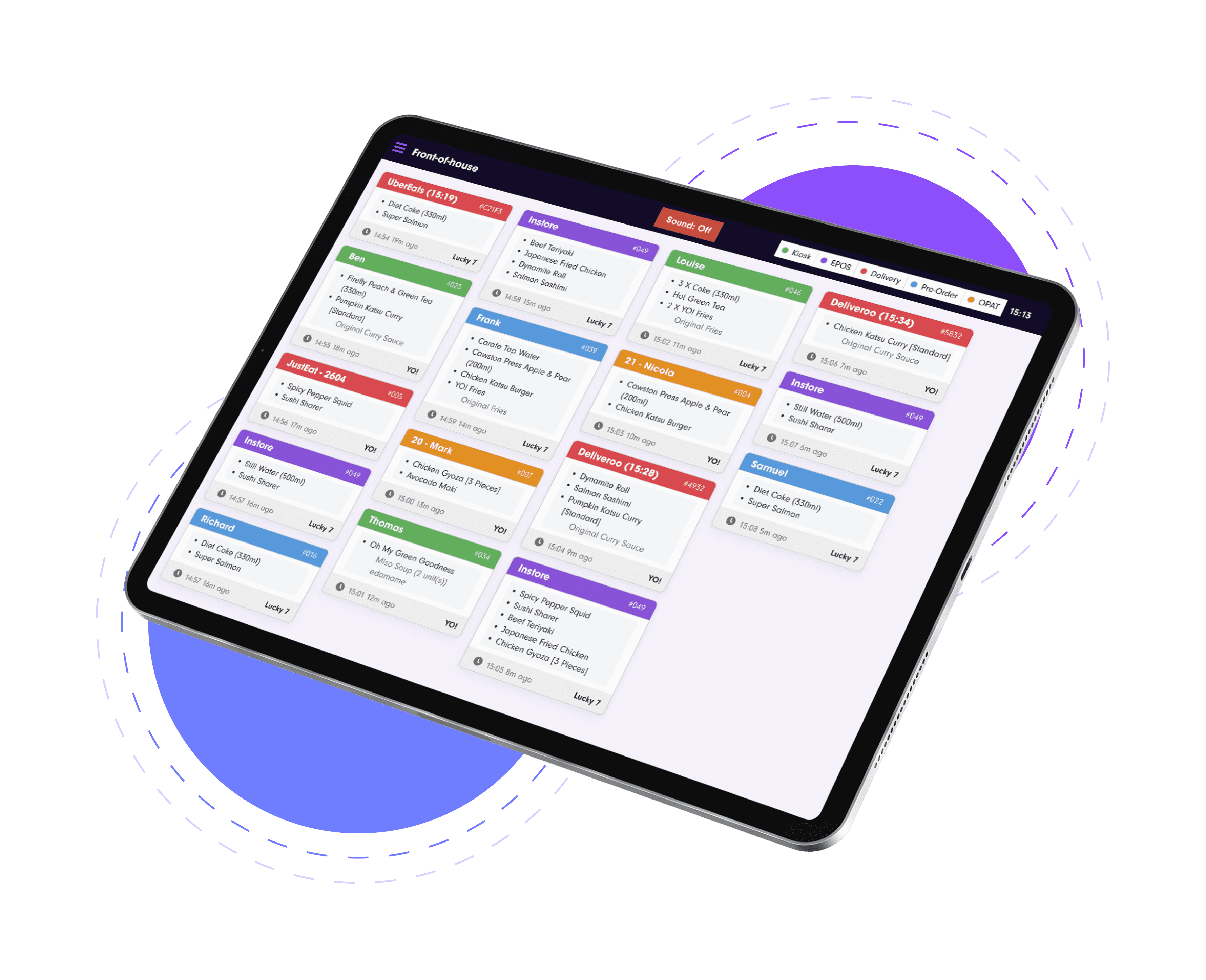
If you depend on fewer point solutions and instead embrace a more streamlined tech stack, it can be designed from the ground up, to not only grow your business but to scale with it.
Centralised data, smart menus, new labour efficiency and other initiatives can all work together within the same system to help you save costs and increase revenue by as much as 35%.
Deep Blue – the largest fish and chip chain in the UK – have seen a 30% increase in ATV, with 500 hours saved on menu updates alone by focusing on operational efficiency and simplifying their tech stack to work from a single system.
Downtime is devastating for any QSR business.
With each point solution you add to an operation, you add another percentage increase in the likelihood of downtime. If – for example – each of your 10 separate suppliers commits to 99% uptime, that 1% of downtime adds to a significant risk. Across the entire operation, you’re actually committing to 10% downtime spread across the tech stack.
The fewer point solutions your operation relies on, the higher your uptime will be. With one system handling all elements of order management, you can achieve 99% uptime – a true 99%.
And if something did go wrong, you can go straight to your single supplier to get it fixed quickly and efficiently, without being passed from one supplier’s tech support to another.
You shouldn’t need a degree in spreadsheets to use restaurant data to grow your business.
When your sales data is spread across multiple touchpoints, getting it all in the same place is time-consuming and frustrating – if possible at all.
And the actual data itself is often so difficult to make sense of that it stops being valuable. You can’t expect your teams to become more data-reliant if they don’t understand the reports you’re sending them.
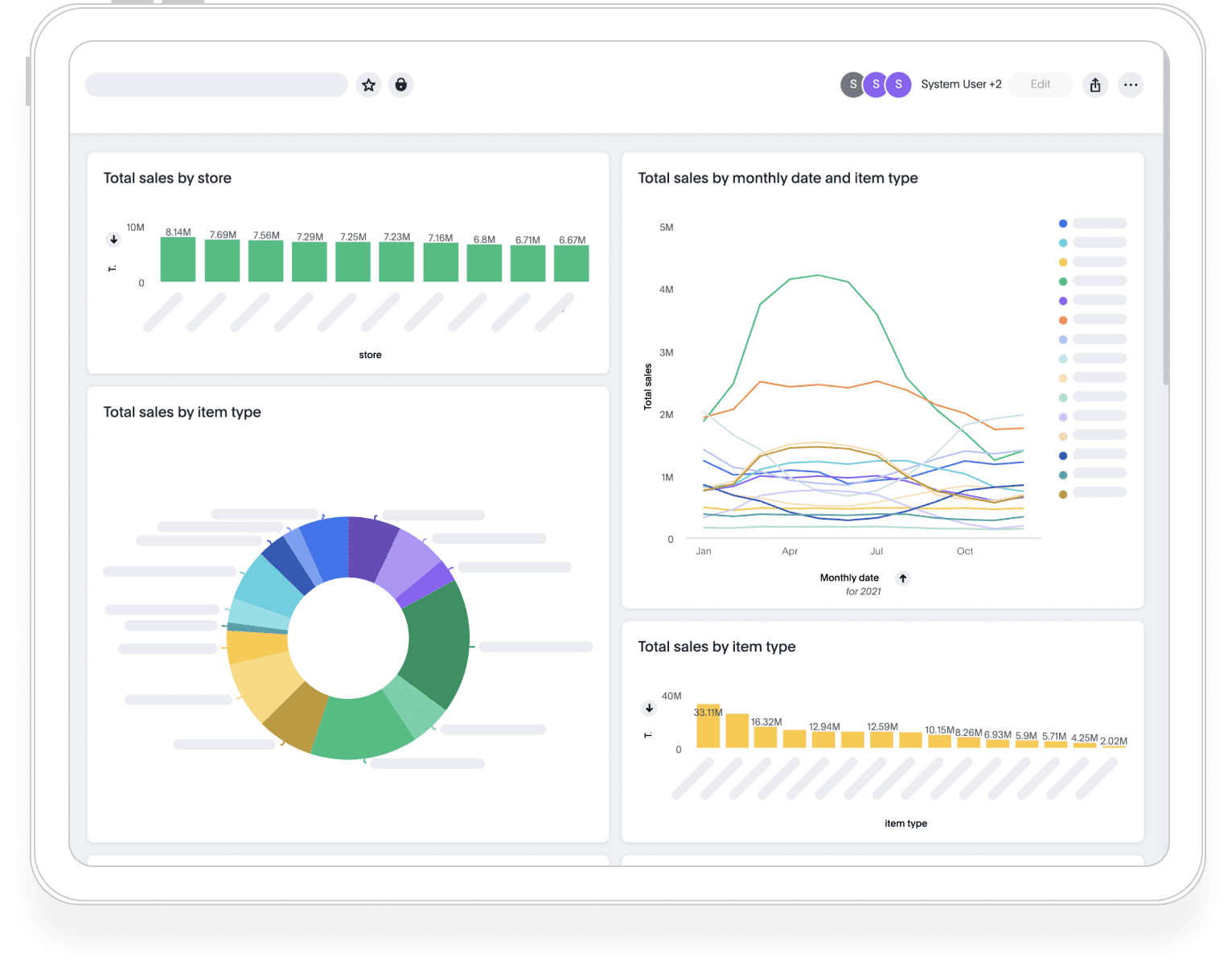
The simplified approach to data is one of the core benefits of a streamlined tech ecosystem.
All your sales data is held in the same system; the info you need from every site, every menu, every order channel, all in one place. This means you can easily recognise trends to help you boost revenue, quickly identify new growth opportunities, and empower data-backed decisions with reports your team can actually read.
Introducing a single tech system means your team only has to learn how to use tech from a single provider. The different systems involved in managing and fulfilling orders all exist on the same platform with a familiar UI.
It also frees your labour model to work in a more agile way. Moving team members from the front of house to the kitchen to fulfil increased orders over peak – for example – is possible when they understand the tech used (and when digital ordering channels enable them to be spared from front of house).
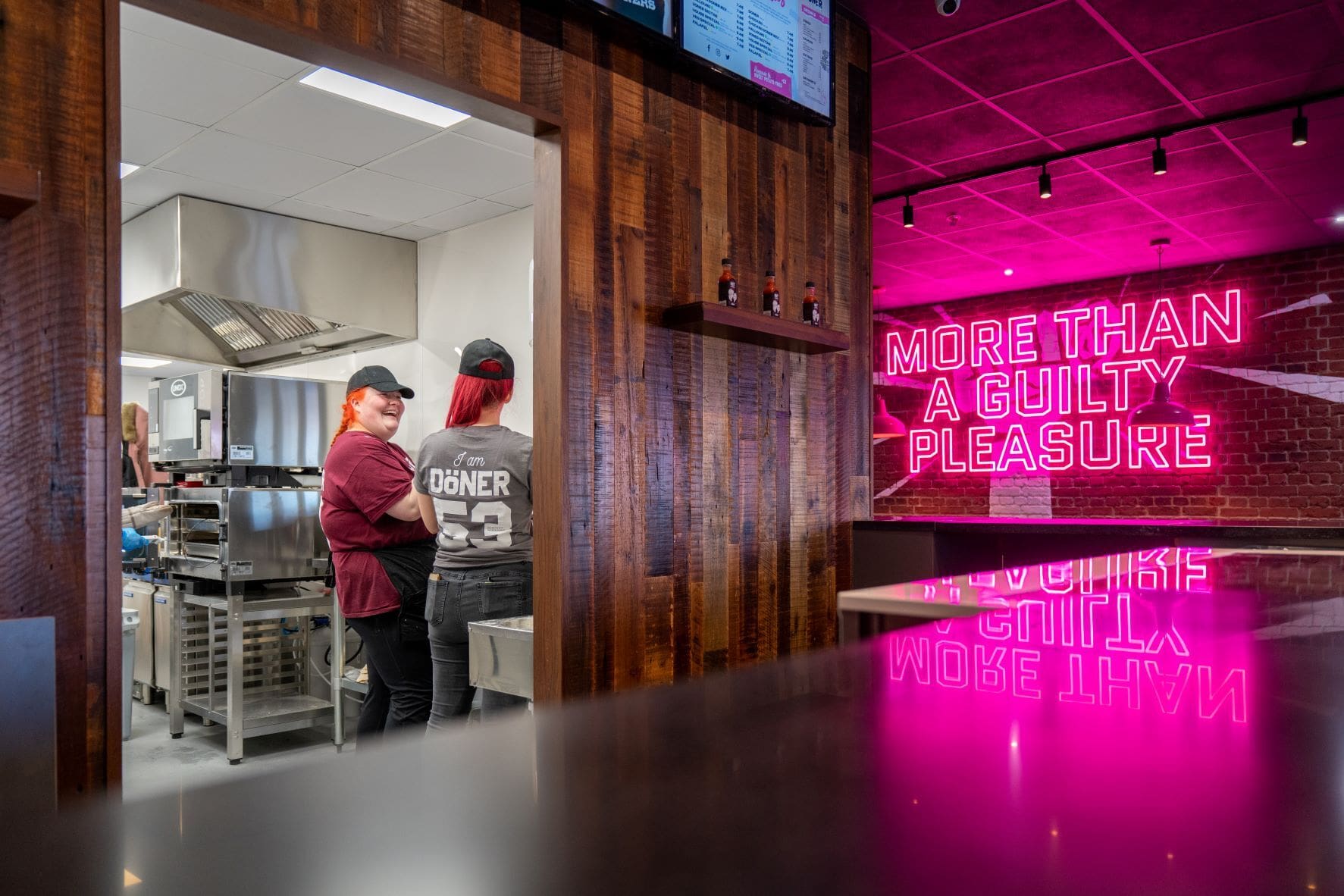

Team members in hospitality want to deliver just that: hospitality. Being chained to the POS and taking manual orders and payments offers little opportunity to do this, especially during peak times with the stress of a long queue.
With an order-centric approach, tech will automate the mundane, removing the need to take so many manual orders or type in orders from third-party delivery partners into a POS. Instead, the staff can do more of what they love about working in your restaurant – delivering hospitality to your guests.
Providing multiple order channels to your guests has become a necessity in keeping your business competitive.
But ensuring customer journey, UI and branding are consistent across them all becomes a nightmare when these channels are spread across separate suppliers. This can be a real hurdle when delivering an omnichannel loyalty scheme.
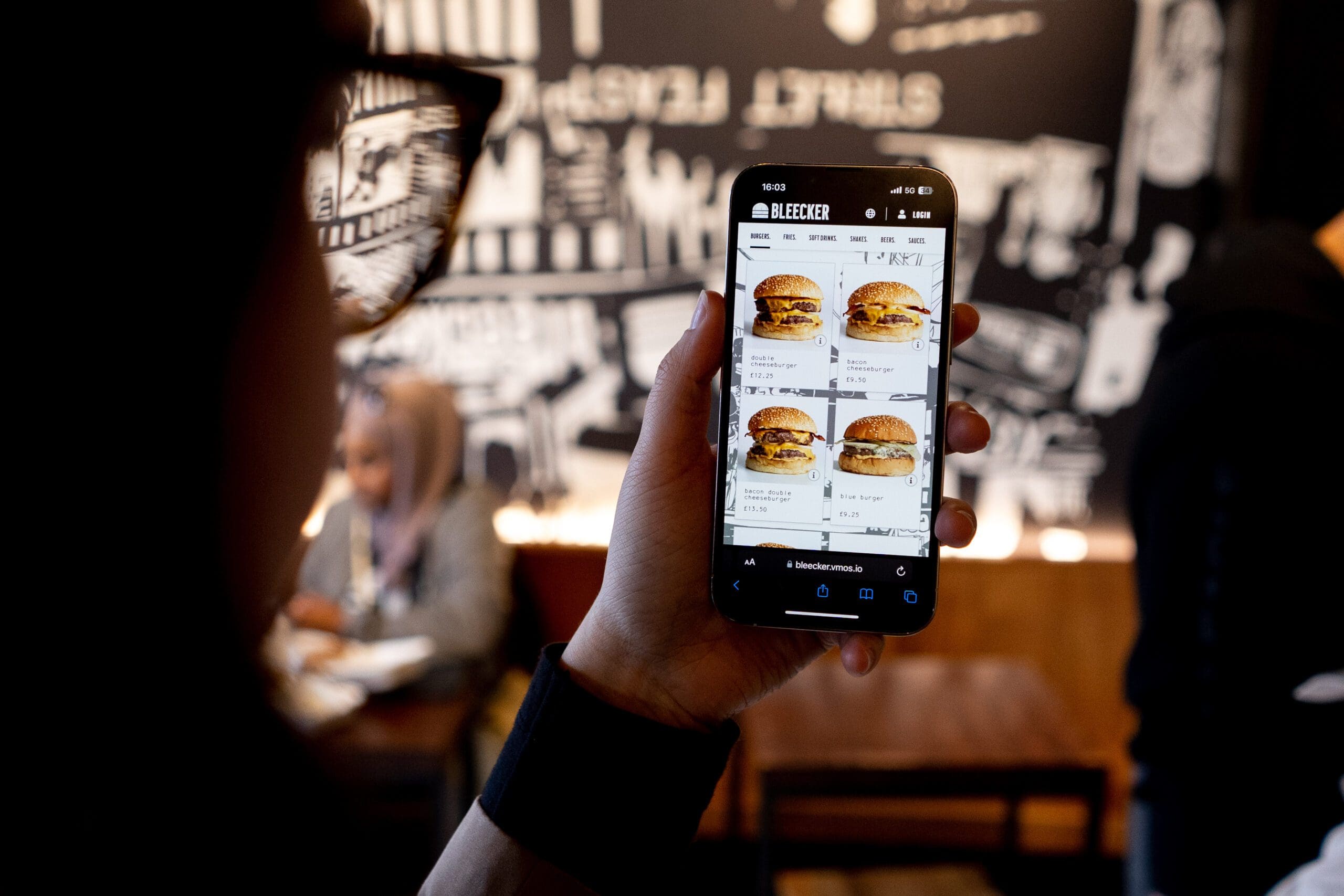
When all your channels are built by the same provider in the same system, they all share the same feel for the guest. Loyalty points can be earned across all your different channels, but work towards a single reward, increasing engagement with this important marketing channel.
And you know you’re working with a partner who already understands your brand inside and out, without having to explain from scratch each time you open a new channel or location.
No part of a QSR operation is an island; the success of each element depends on another.
For example, your digital menus can be used to increase ATV, but this relies on both efficient menu management software and the help of sales data you can actually use to identify profit potential.
Think about all your order channels, menus, and locations. All the elements that go into fulfilling a single order; from the kiosk software through to the KMS in the back of house.
Your operation depends on all these elements working together as one, which should be exactly what your tech setup empowers.
What does this look like?
A single order management system.
Digital ordering, POS, omnichannel loyalty, menu management and data: all handled in one system that doesn’t depend on a complicated web of integrations.
With the Vita Mojo Order Management System you can deliver calm to your kitchens with just one central menu to update, one system to see every order from every channel, and one source for all your sales data–giving scaling hospitality brands the breathing space to expand.
It’s time to take control. Book a chat with an expert to discover how you can grow your operation, confidently.
Chris George, VP of Product, walks through six months of delivered features and gives a first look at the second half of 2026.
How does a fast-growing QSR brand scale through franchising without losing control? Five lessons from YouMeSushi’s Tim Circus, Head of Franchise.
Keyana Mohammadi, Head of Marketing for Dave’s Hot Chicken UK and Ireland, shared the strategy behind one of the most talked-about quick-service restaurant (QSR) launches in recent UK history.
Want to see more from Vita Mojo?