15 July 2026
Vita Mojo’s 2026 product roadmap: What we’ve built, what’s next
Chris George, VP of Product, walks through six months of delivered features and gives a first look at the second half of 2026.

In April 2022, the UK government introduced new calorie labelling legislation.


The law now requires hospitality businesses with over 250 employees to display the calorie count for all menu items, with businesses risking fines if they don’t comply.
The changes added a new level of complexity to the menu management process. With operators continuing to face significant time pressure from both the labour shortage and inefficient processes, keeping calorie labelling compliant can become a frustrating time-sink.
The good news? It doesn’t have to be.
A year on from the introduction of the legislation, we’re taking a deep dive into calorie labelling to help put your mind at rest that you’re doing everything right, in the easiest way.
So now’s the time to check: is your operation still calorie compliant?
The following rules cover food and drink sold for ‘immediate consumption’. This means food which is intended to be consumed on the premises on which it is sold, or takeaways that don’t require any preparation by the customer.
Calories must be clearly labelled in on physical menus, online menus, food delivery platforms and next to the physical item if it’s being chosen from a display stand.
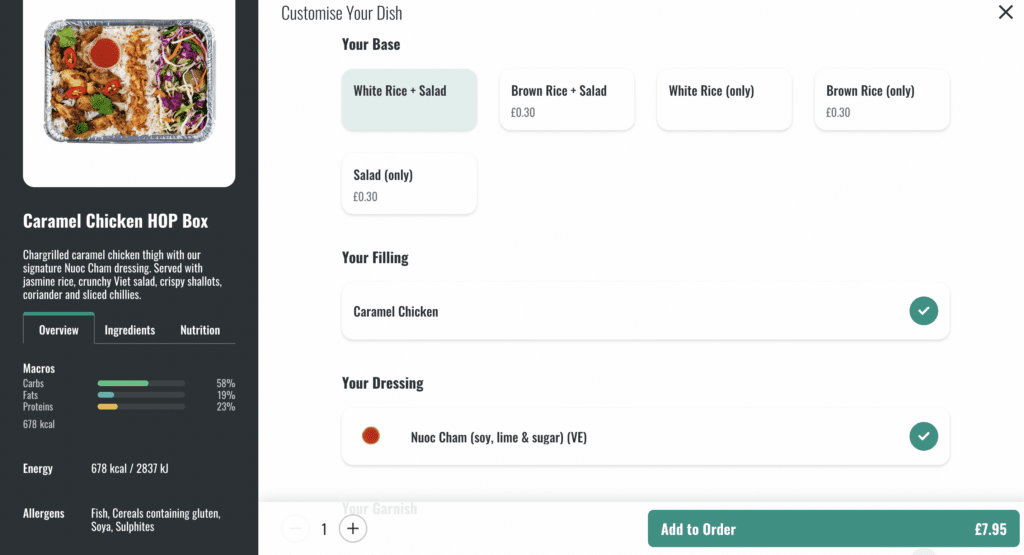
Operators must display this statement ‘prominently at the point where people are choosing what to buy’ – e.g the screen if it’s a digital menu, or on each side of a physical menu.
The 2000kcal messaging doesn’t need to be included on children’s menus as the calorie needs of children are less.
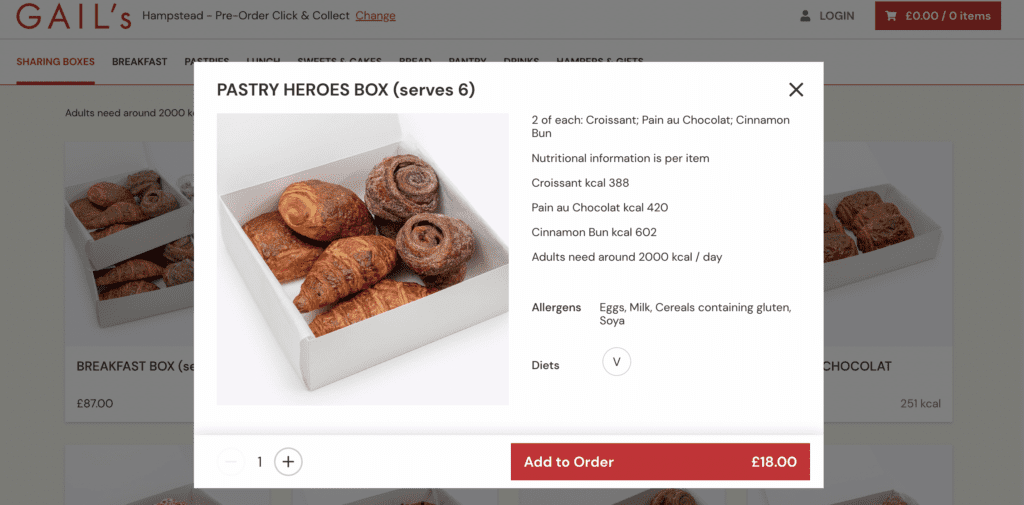
If an item is intended for multiple people i.e. a sharing platter, calorie information must be provided for the whole item as well as information on how many people it is intended to serve. For example: 16 chicken wings, 1000 kcal, serves 4.
To enforce the legislation, Enforcement Officers check how businesses have calculated calories, whether they are displaying them correctly, and whether they’re displayed on any online platforms (including third-party delivery).
Any person who fails to comply risks a fine of £2,500 as an alternative to criminal prosecution.
Making your menu compliant can be a time consuming process, particularly if your menu is complex.
But thanks to technology, you can streamline every aspect of the nutrition labelling process – from automatically calculating calorie amounts for your meals, to managing information on multiple menus in just one click.
Make sure you’re staying calorie compliant the easy way with our action plan below:
Start with a deep dive into your current process and capabilities, and try to spot inefficiencies that might be slowing down your calorie labelling strategy.
According to the Department for Health and Social Care, the information provided to customers should be based on one of the following:
The regulations allow for a combination of the above methods across a menu, along with an accuracy margin of plus or minus 20%.
Calculating calories can be a costly and cumbersome task, but it doesn’t have to be. Using a nutrition system or calorie labelling partner can break the entire process into manageable chunks and set you up for an efficient process for future menu updates.
We caught up with the Operations Director of smart recipe management tool Kafoodle to get her take on simplifying calorie calculations.
Get all the insights and tips from Sarah Dovey in our full nutrition labelling guide
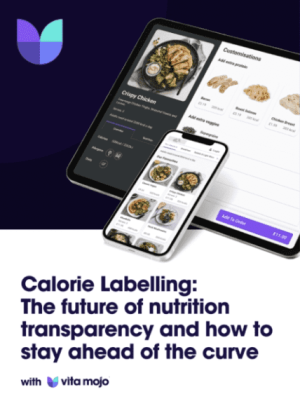
Working out nutritional information and then displaying it in the right way is complicated undertaking for any hospitality business. The right technology will streamline and speed up the operational process, but how can you choose the one that’s best for you?
There are some basic principles that you can apply across the board when choosing a digital ordering partner.
Look for powerful nutrition features
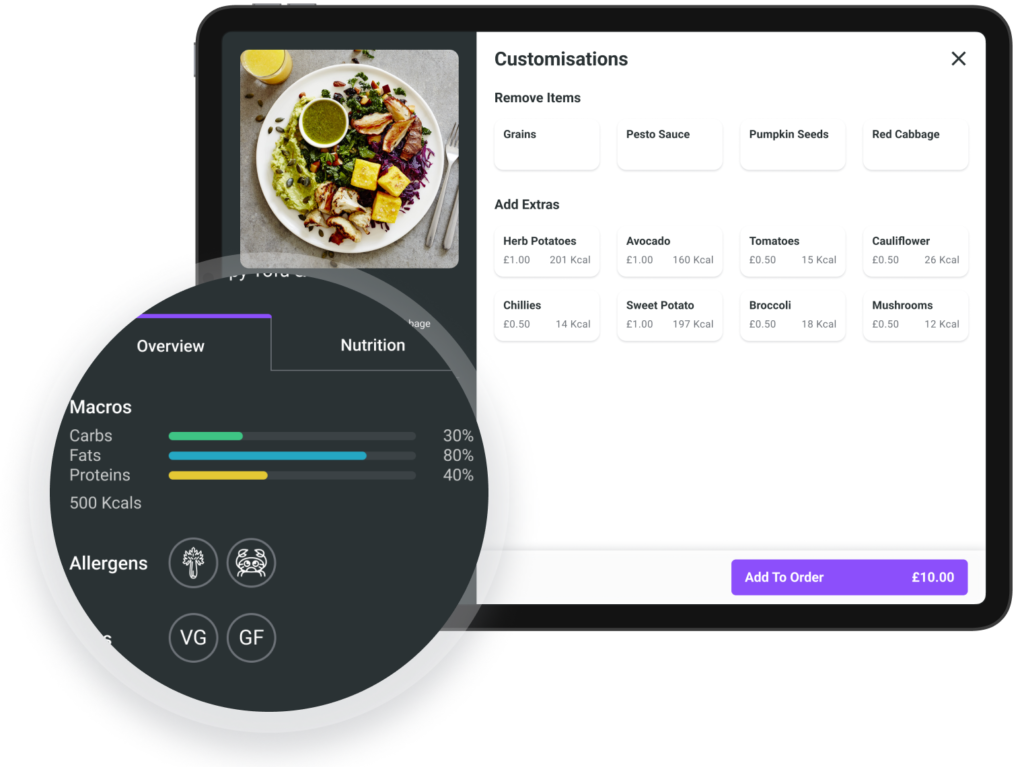
You need to be able to display calories and the statement ‘adults need around 2000kcal a day’ at the point of choice.
This is simple for some items, but most menus have more complex options:
Look for technology that can display this dynamically through the customer journey – without having to invest huge time and effort in manually updates.
Think about customer journey
It might sound counterintuitive, but you should also think beyond compliance.
How and where you display calories has a significant impact on your customer journey. Display nutrition in a way that complements the presentation of your menu. A tech platform with flexible UX will enable you to create the perfect customer journey.
Manage multiple menus in one click
Clever menu management will reduce the operational burden of displaying accurate nutrition across multiple menus. Look for a provider that can manage nutrition in a central place and then ‘push’ this information to your different menus.
Operators have plenty of time-consuming tasks they need to juggle: staying calorie compliant doesn’t need to be one of them.
Book a chat with one of our hospitality tech experts for a practical look at your current nutrition labelling process, and get help to spot inefficiencies and make staying compliant easier.
Talk to the Vita Mojo team today and see how our technology can elevate your brand, drive sales performance and increase efficiency across your business. Just leave a few details and we’ll get back to you as soon as possible.
Chris George, VP of Product, walks through six months of delivered features and gives a first look at the second half of 2026.
How does a fast-growing QSR brand scale through franchising without losing control? Five lessons from YouMeSushi’s Tim Circus, Head of Franchise.
Keyana Mohammadi, Head of Marketing for Dave’s Hot Chicken UK and Ireland, shared the strategy behind one of the most talked-about quick-service restaurant (QSR) launches in recent UK history.