Home > Nobody brings a network in a bag: Lessons from 885 Subway tech installs
Nobody brings a network in a bag: Lessons from 885 Subway tech installs
885 Subway installs. 40 of them in eight days, across three countries. Our Global Account Director, Oliver Williams, shares what he’s learned rolling out restaurant tech across a large enterprise estate.
Insights from Oliver Williams
Global Account Director
Spread the word:
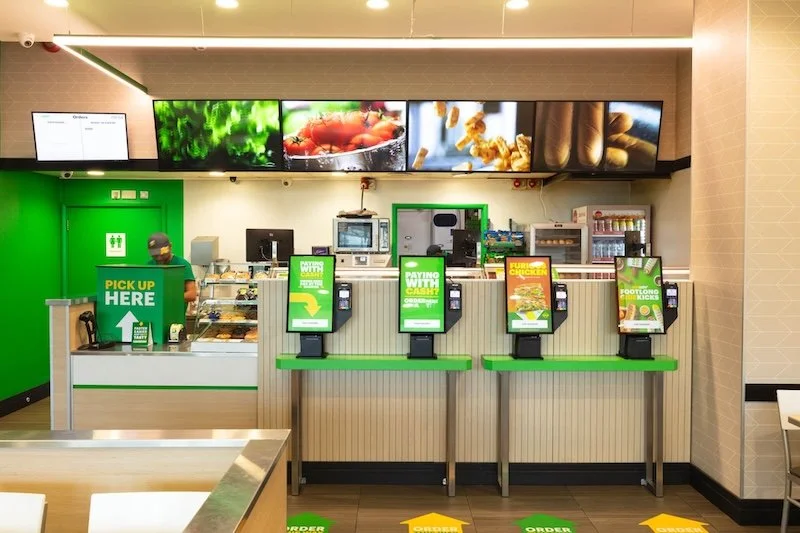
This month, my team is installing kiosks in 100 Subway restaurants. People ask how we do it. They expect the answer to be about engineers, but most of it is about preparation.
When I look back at the installs that went well and the ones that were hard, almost all of the difference was decided before install day. The engineers turn up and do excellent work. Whether they can finish depends on what was ready when they arrived.
I’m Global Account Director at Vita Mojo and I primarily look after our relationship with Subway. My team has completed 885 installs so far for the brand. At our busiest point this year, we delivered 40 installs in eight days across three countries.
If you run a large estate and you’re planning a technology rollout, this is what that work has taught us about getting the groundwork right.
Physical deployment is a whole different discipline
Most senior teams have rolled out software. You push an update, test it and fix what breaks from behind a keyboard. However, physical deployment doesn’t work like that.
Every site needs hardware, furniture, power, data, a working network and payment devices. All of it has to be in the right place on the same day. If one piece is late, everything else waits.
Over three years, Subway and Vita Mojo have built a rollout process we fully control. The biggest lesson along the way: hardware rollouts need their own planning, their own people and their own rhythm. If you treat them like a software release, you will feel it on install day.
One late delivery moves the whole schedule
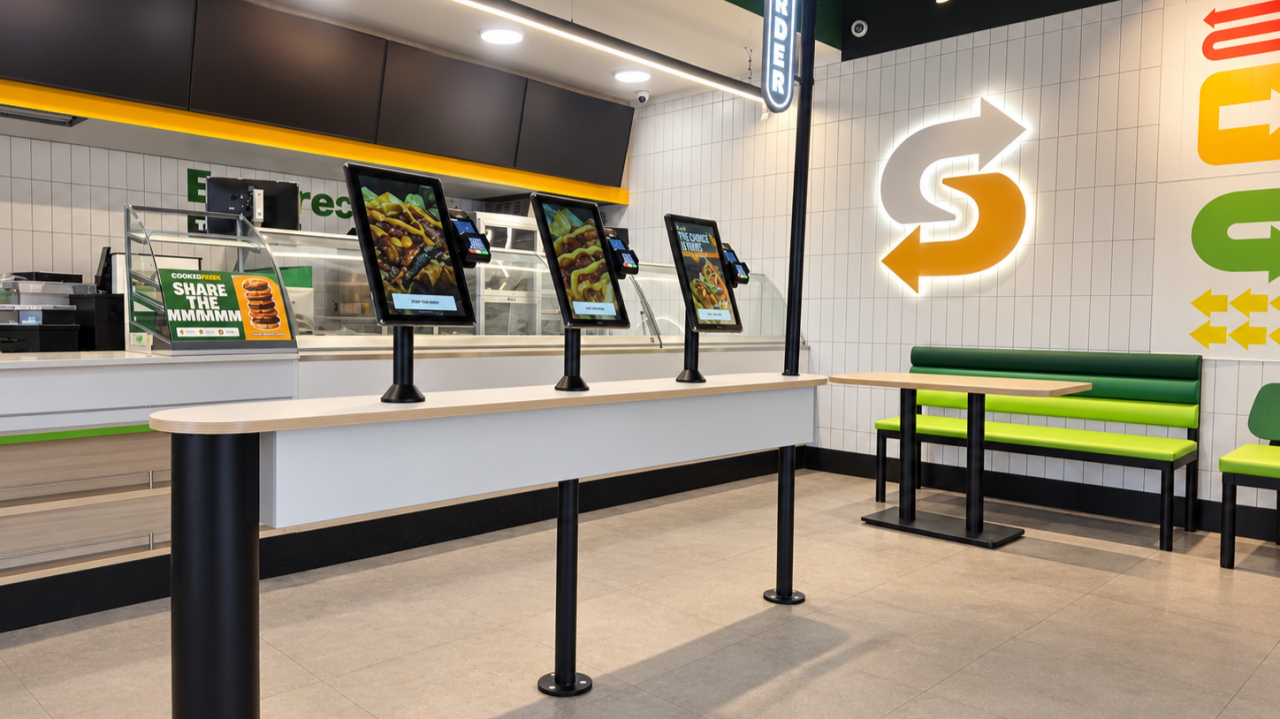
Take the small-format kiosk we’re rolling out now. A franchisee tells us the kiosk table will arrive on Monday, so we book the install for Tuesday. That plan has been agreed over two or three weeks.
If the franchisee calls on Friday afternoon to say the table is delayed, the engineer’s week falls apart. The engineer moves to another site, and that moves another site. The schedule becomes a game of chess.
We work with a small team of specialist engineers, so we can’t absorb late changes by adding people. Instead, we lock dates early and confirm every prerequisite well before an engineer travels.
That means:
the right number of devices, agreed and placed on the floor plan
payment devices ordered
kiosk furniture delivered
power and data sockets installed in the right place and terminated correctly
network whitelisting in place, so kiosks can reach the internet and payments can go through
For an existing store, the site survey does a lot of this work. It shows where the comms cabinet sits, how power and data will run, and what the fuse board can take. The better the survey, the fewer surprises on the day.
Scale your restaurant estate without a hitch
Vita Mojo helps multi-site QSRs grow their business with control, consistency, and speed.
Book an intro chat to see how Vita Mojo can help you scale with confidence.
Subway gives franchisees a detailed guide for power, data and kiosk furniture. It shows where each cable goes and how the table should be fitted.
Even so, we occasionally arrive at sites where the table’s cable pole is on the wrong side, so it clashes with the payment device. Someone read the guide and made a different choice.
At scale, people will read instructions in their own way. We ask for photos before install day, and they help. But photo sign-off depends on goodwill, and the site doesn’t always match the pictures.
If you run a large estate, assume someone will read each instruction differently, so make your standards as visual as possible. Ask for proof. Check the highest-risk items, such as power, data and furniture, before the engineer sets off.
Connectivity belongs to the operator
The most common misunderstanding we see is about the network. Operators often assume that because we bring the kit, we also bring the connection. We don’t. Nobody brings a network in a bag.
Before install day, someone at the site should plug a laptop into the router, load a web page and run a speed test. Headline download speed doesn’t tell you much on its own. Latency and throughput matter, and so does what else shares the network. Put 8K CCTV on the same connection and a 500 megabit line stops meaning very much.
The inside of the store matters too. You may have great wi-fi outside, but the signal has to pass through fridges, ovens and microwaves.
Stability after go-live matters as much as readiness on the day. A large share of our support calls are about kiosks that have lost their connection. The usual cause is a change on the operator’s side, such as a new router that we didn’t know about.
Large venues and corporate partners add another layer. We recently installed kiosks in two Subway locations at the National Exhibition Centre (NEC) in Birmingham. Legacy infrastructure and strict network rules meant a lot of extra work to get an open internet line. If your sites sit inside larger estates, such as venues, transport hubs or forecourts, start the network conversation first.
Someone with authority needs to own readiness
Our process is simple. Four weeks before install, we send the franchisee everything they need to do. If nothing comes back by day three, we chase. By day six, we involve the area manager. After that, the area director.
In a franchise model, this is the hardest part. Franchisees are independent business owners, so Subway HQ can only be so directive. Area managers are focused on sales, standards and keeping stores open. A kiosk rollout is one of many things competing for their time. Yet they are often the only people with real influence over a franchisee.
So a big part of my role is helping those managers see why they need to step in. We’re not chasing to be a nuisance. Every missed form puts an install date at risk.
If you run a corporate estate, the lesson still applies. Name one person who owns readiness at each site. Give them the authority to make it happen.
Pilots are where you learn
Subway is currently piloting a new concept, and this is a good example of how we learn during the rollout process. We’ve completed three installs so far. On paper, they’re the same as the others: a kiosk on a table, connected to Vita Mojo’s Kitchen Management System (KMS).
In practice, new shopfitters, a new layout and new cable runs taught us a lot. We had bespoke kiosk stands made, because off-the-shelf furniture didn’t work for us. These pilots let us change, review and deploy quickly, and the smallest tweaks often deliver the most. Something as simple as a slight change to the angle a kiosk faces can transform visibility and guest usage.
Pilots also show how far a plan can drift. On paper, power and data are done by 8am. At midday you’re still pulling cable, because there’s a two-inch steel plate in the wall. Each surprise goes into the plan for the next site.
Before you scale a new format, run a small number of pilots. Treat what goes wrong as the most useful thing they produce.
Leave every site with a plan
Not every install goes perfectly. When it doesn’t, how we leave the site matters. Our engineers carry spares, and they can often fix power and data issues on the spot.
When we can’t finish, we never just leave. The franchisee knows exactly when we’ll be back, usually before opening the next morning, and what we’ll bring.
The most important person in any rollout is the team member serving customers. At Subway, that’s the Sandwich Artist. If the kiosks don’t work, the store can’t trade properly. Head office metrics matter, but in that moment, opening the doors matters more.
Eight weeks out: what to do this week
If you’re an Operations Director eight weeks from your first site going live, two things matter this week.
First, order your hardware. Prices are rising and supply chains are less predictable, so lead times are harder to plan around.
Second, have a clear plan for in-store infrastructure by week two. That covers power, data, furniture and the network at every site.
Then stop worrying about install day itself. A good implementation partner handles the day. Once our process starts, we’ve got you. Your job is to make sure everything they need is ready when they arrive.
None of this happens without my own team. They cover everything from the first conversation with a franchisee to coordinating each install, and all the chasing, scheduling and problem-solving in between. Most days run on caffeine and a good playlist. As a team and as a business, we back ourselves to deliver. When we commit to a date, we stand behind it, and we own it when something goes wrong.
Some of our installation engineers I’ve worked with for 15 years, and I trust them with every site. When everyone works as one team, 100 installs in a month becomes normal. The work that makes it normal happens well before install day.