5 May 2026
Five lessons from YouMeSushi on building a franchise model that scales
How does a fast-growing QSR brand scale through franchising without losing control? Five lessons from YouMeSushi’s Tim Circus, Head of Franchise.
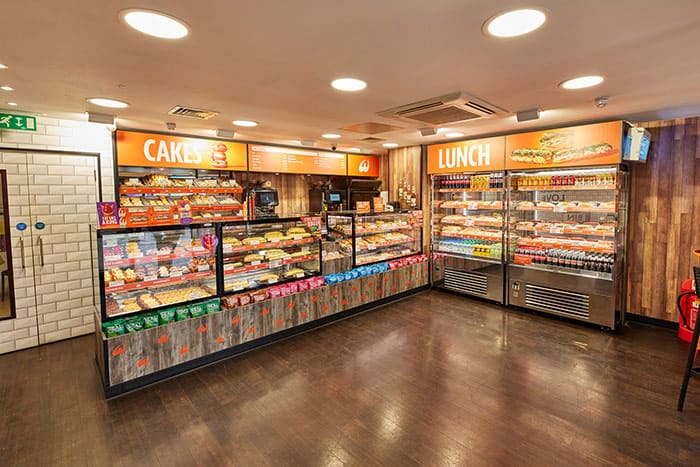
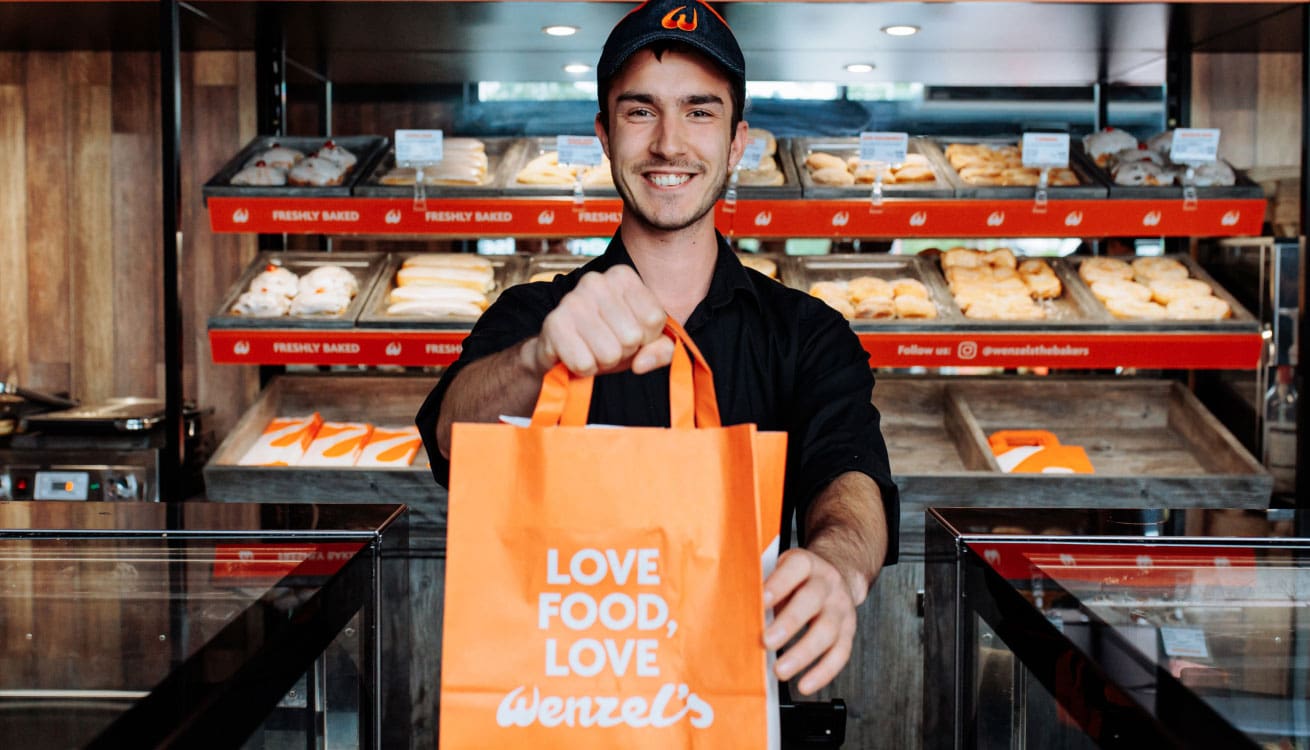
Founded nearly 50 years ago, family-run bakery chain Wenzel’s has expanded from its base in North West London to more than 100 locations around England.


Like so many brands in the food sector, the business has been on a major digital transformation journey over the past 24 months.
We sat down with Karl Spinks, COO, and Fabian Lapusneanu, Director of IT, to discuss the opportunities that tech presents to Wenzel’s, the risks of standing still, and the heroic work the team put into their digital roll-out, getting 102 sites live in just 40 days.
First, an introduction…
Karl: “I’m the COO, I’ve been at Wenzel’s close to 20 years. I’ve held very different positions in the business, and I’ve seen many transformations – but particularly technology transformation. In the early years, we had very limited tech within the business, and I’ve seen it become an integral part of how we run the organisation.”
Fabian: “I’m the IT Director at Wenzel’s. I’ve been in the business over three years now. I’ve always been more tech-focused and I lead this tech project at Wenzel’s – which is ongoing.”
Karl: “We were quite early adopters of third-party delivery solutions and waste management software, and they gave us real insight into the importance of tech and innovations within the industry.
So from there, we started to develop a bespoke management tool.
In theory it was a one-stop shop that covered pretty much every area of the business, that we built and developed. But it became very obvious in the last 24 months that we had outgrown that bespoke tool, and we needed a tech stack that had a bigger foundation across the industry.
We felt we were developing behind the curve, so we began exploring our options.”
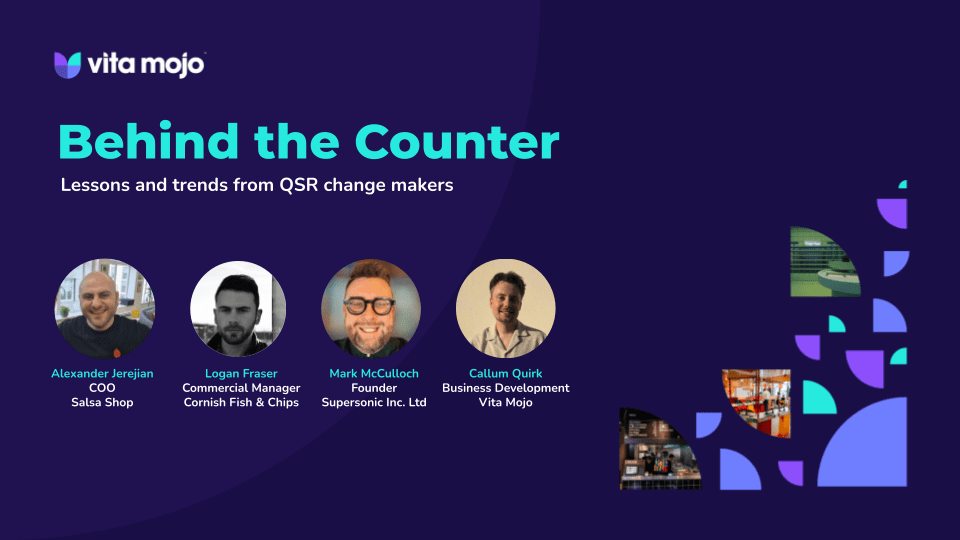
Our latest webinar features innovative industry insiders from Salsa Shop, Cornish Fish & Chips and Supersonic.
Learn:
Fabian: “This project started as a means of fixing one issue: the stock and waste management side of the business.
The more we looked into it, the more we realised there are lots of other areas that can be improved at the same time.
One was the efficiency of the POS system, and the other was a direct integration into the delivery platforms, which reduced the number of mistakes that could happen when the staff prepares the orders.
We also realised that upgrading the POS had unlocked the ability to have Click & Collect and Loyalty, so we are able to add another sales channel that would benefit the business from a revenue standpoint.
Then, it spiralled into the entire tech stack upgrade.
It started as a small project that would cover one side of the business, but that one side is connected with everything else. So, the decision was made that if we’re going to go and do something, we might as well do something right.”
Fabian: “One thing was the ability to integrate with all delivery platforms – our POS wasn’t able to do that. We needed to find a more permanent solution that would cover all three delivery platforms.
So we decided to look not just for another POS, but at the entire solution package, which is what Vita Mojo offers.
Another reason for changing the POS was data-related. I think our biggest problem in the last couple of years has been access to data and the level of detail that we have in that data.
We don’t know what we don’t know.
It’s a weird thing to say, but because we don’t have access to all the information we didn’t know what we were missing. We didn’t know what we needed.
What’s the plan with getting to grips with that data?
Fabian: “We’ll have a chat with all of the directors to understand what everyone requires and why they need it.
That question – the why – has been ignored a lot in the last couple of years. The main reason is that it’s a difficult question to answer.
So, there’ll be a focus on the why. We need this, but why? What’s the issue? What’s the problem that we’re trying to fix? Because the reports aren’t going to fix the root cause of the issue. It will require a bit of a change in philosophy.”
Karl: “Multiple stakeholders were involved in the project.
It was very proposal-led, and because of the business’s needs, it became a journey of discussion—budgeting, planning, chopping and changing, pivoting.
We’ve had an aggressive expansion plan. Our expansion is based on organic turnover; we don’t have any outside investors as it stands. So as a business, trying to establish the needs and the exact timelines was challenging.
And with multiple different stakeholders involved in the project it was definitely a challenge for Fabian to get over the line. But over a period of due diligence from different areas in the business – and an inward look at what we’re doing and how we can do it better – we managed it.”
Karl: “The actual challenge was that Vita Mojo wasn’t the only solution that was implemented at the same time. We had a food and hygiene system, a new inventory management tool, and HR tool all launched in tandem as we rolled out Vita Mojo.
This wholesale change has come with a lot of challenges in training.
We have 1200 employees, most of whom are store-based staff who are hands-on with the POS and other systems. So it was a bit of a challenge to get those training sessions done. We had multiple methods: videos, guides, installation sessions, and even huge Zoom sessions where we’ve had 60 employees on one call.”
Fabian: “From an operational standpoint, we take one step back but four steps forward.
The reporting took a hit in terms of time simply because we had data in two systems. There was a bit of discrepancy between the two because the information we had before wasn’t accurate, which had a knock-on effect on the level of trust we had in the new data.
It was a weird transition—even for us at head office—to learn to trust the new data, even though it looked a lot different from the old one in some cases.
A lot of the old reporting was manual; at the end of the day, the shop would manually type their sales – cash and the delivery platforms – so all that was required was a missed dot or an extra zero for everything to go wrong.
We now have historical data from Vita Mojo, so we don’t need to do any more manual reporting.”
Fabian: “All the training has been done in-house.
In February, we launched our first site.
Myself and two area managers conducted that site’s training the day before going live, going over the till, the KDS, the HR side of things, inventory—everything.
The next day, we went live, and because that was the first site, we had three people from Vita Mojo and two people from Nory on site, so it was quite a busy day.
As expected, the staff spotted some small issues—they’re really good at spotting issues because they’re using the systems constantly—so that time was used to iron out those small issues.
Three weeks after that site went live, we rolled out five further sites. That was done in a similar fashion – five consecutive days of training until we had those stores all onboarded.
During those five days, I always had two area managers with me so they could see the training session, and understand the systems better. Toward the end of February, we took about two more weeks fleshing out the system, making changes, and on the 17th of March we started the big rollout across the estate.”
Find out how we can support your hospitality brand every step of the way.
How does a fast-growing QSR brand scale through franchising without losing control? Five lessons from YouMeSushi’s Tim Circus, Head of Franchise.
Keyana Mohammadi, Head of Marketing for Dave’s Hot Chicken UK and Ireland, shared the strategy behind one of the most talked-about quick-service restaurant (QSR) launches in recent UK history.
Your regularly updated release notes, revealing what’s available across the Vita Mojo Restaurant Order Management System.