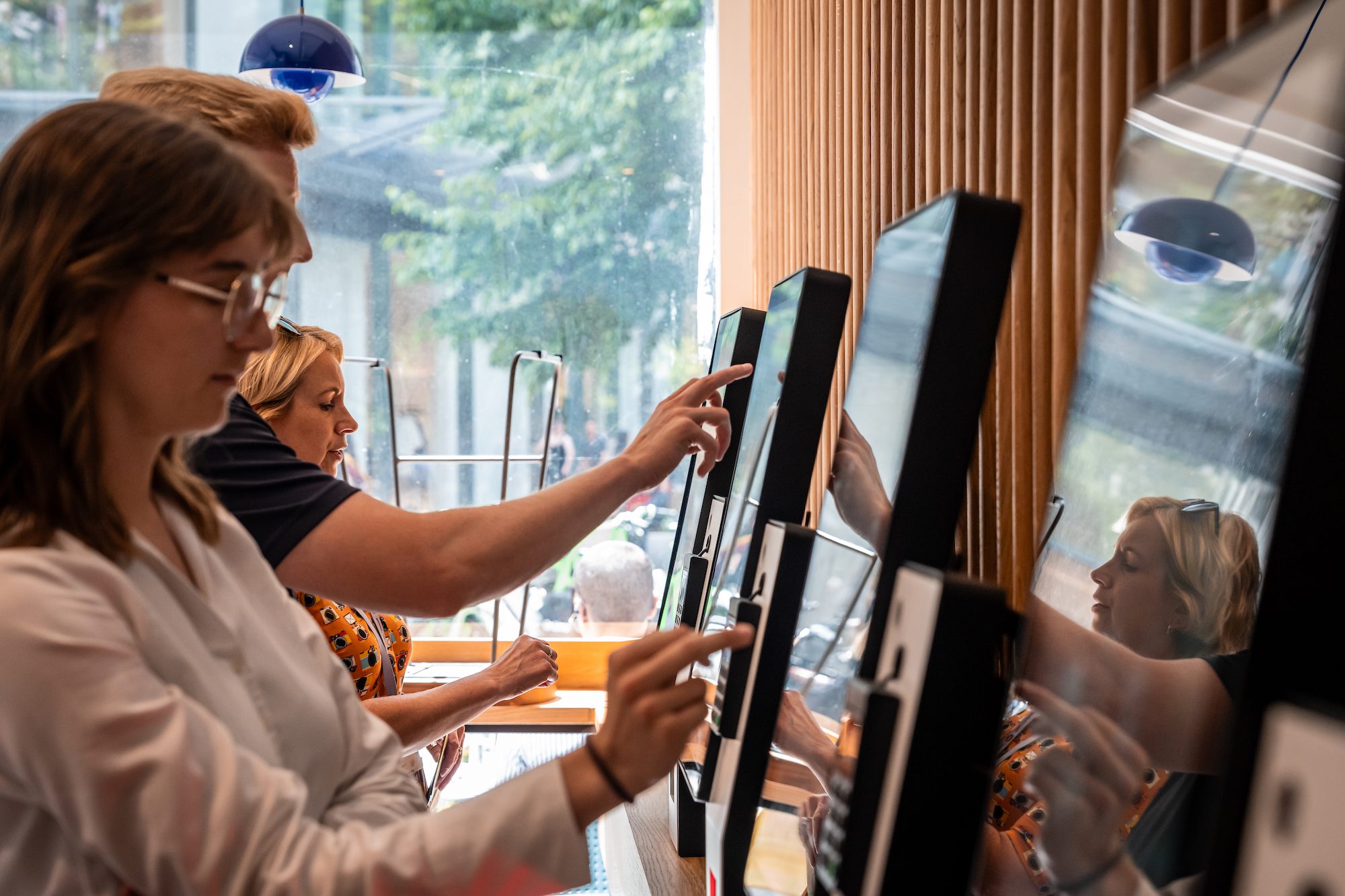
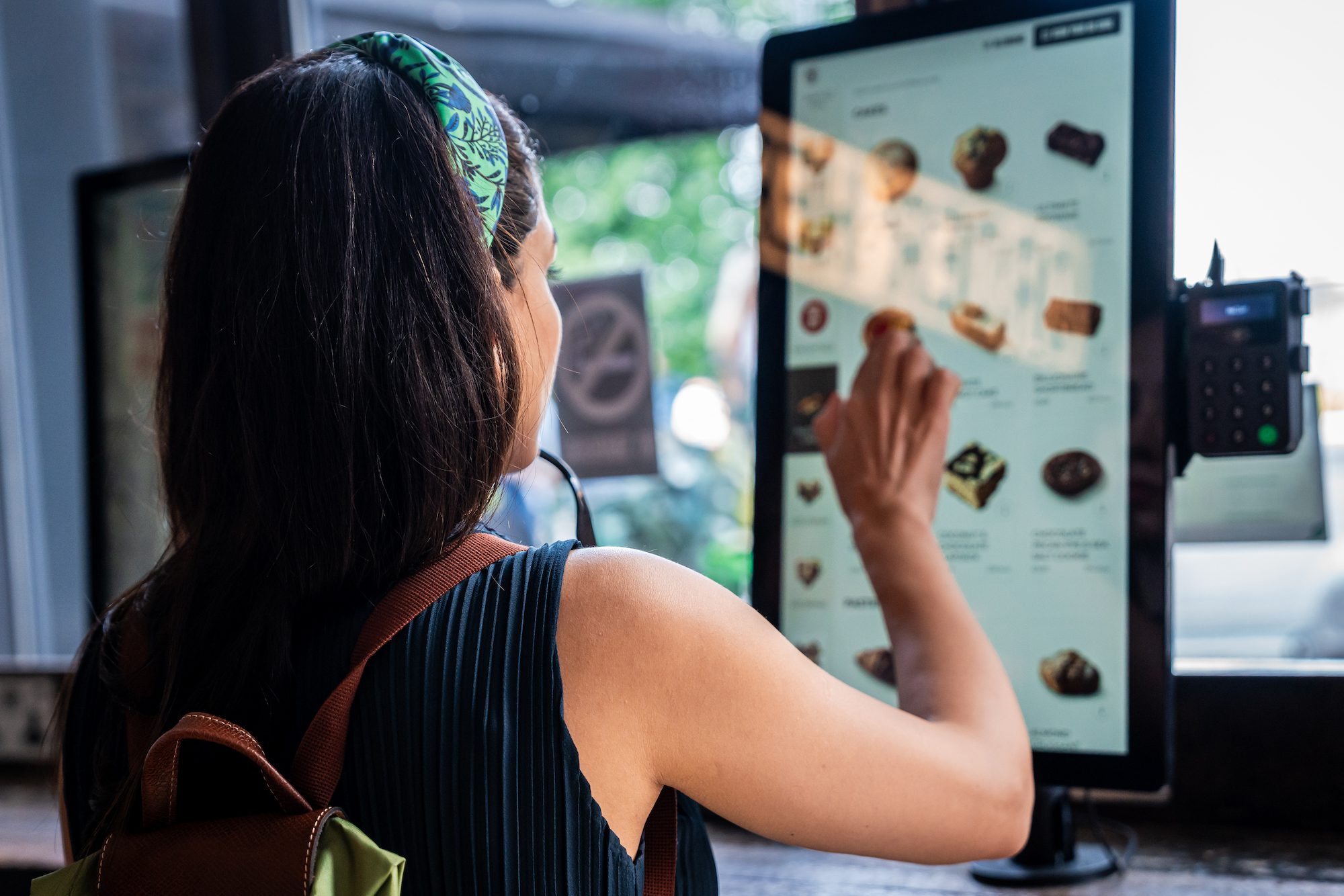
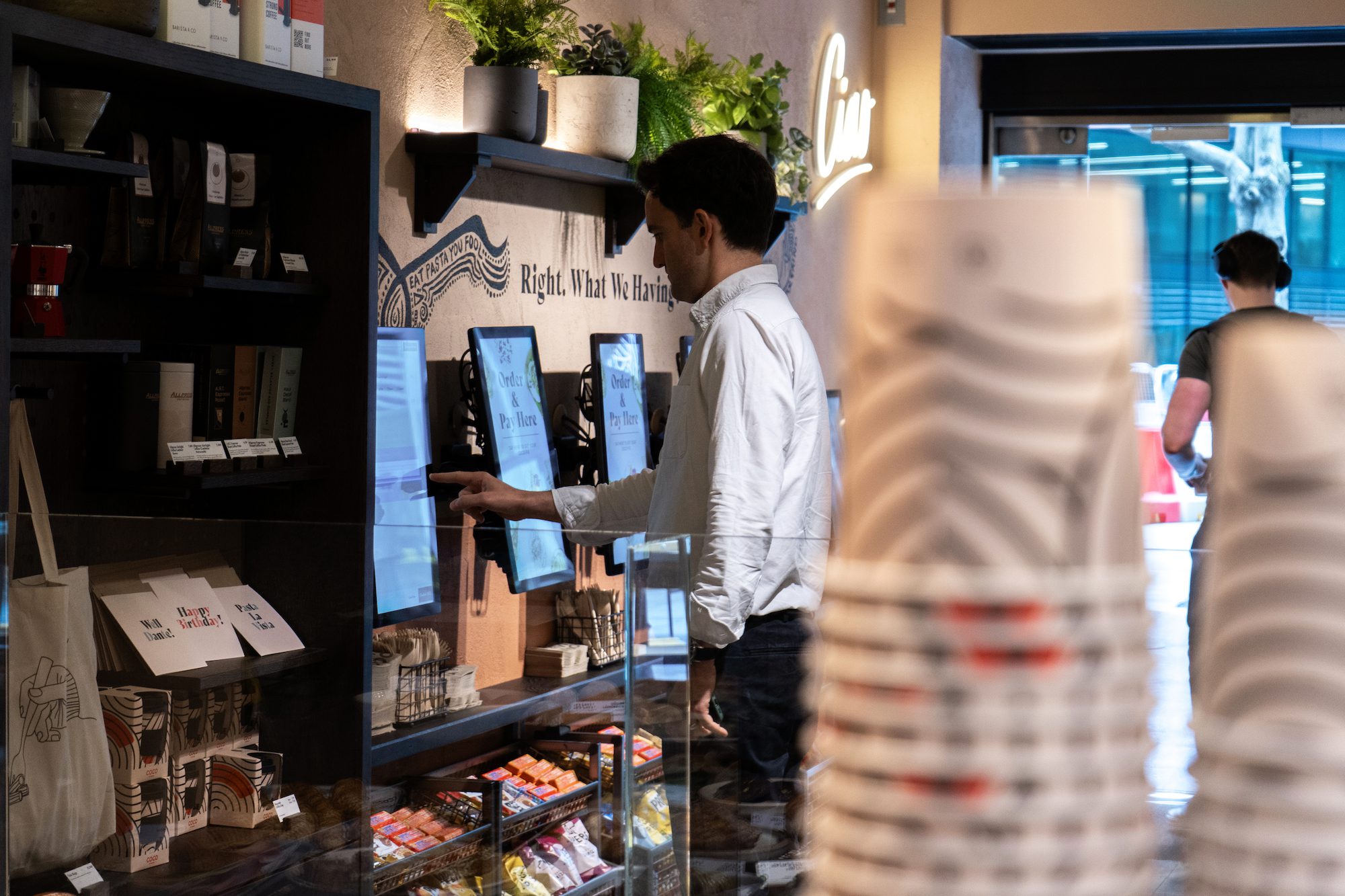
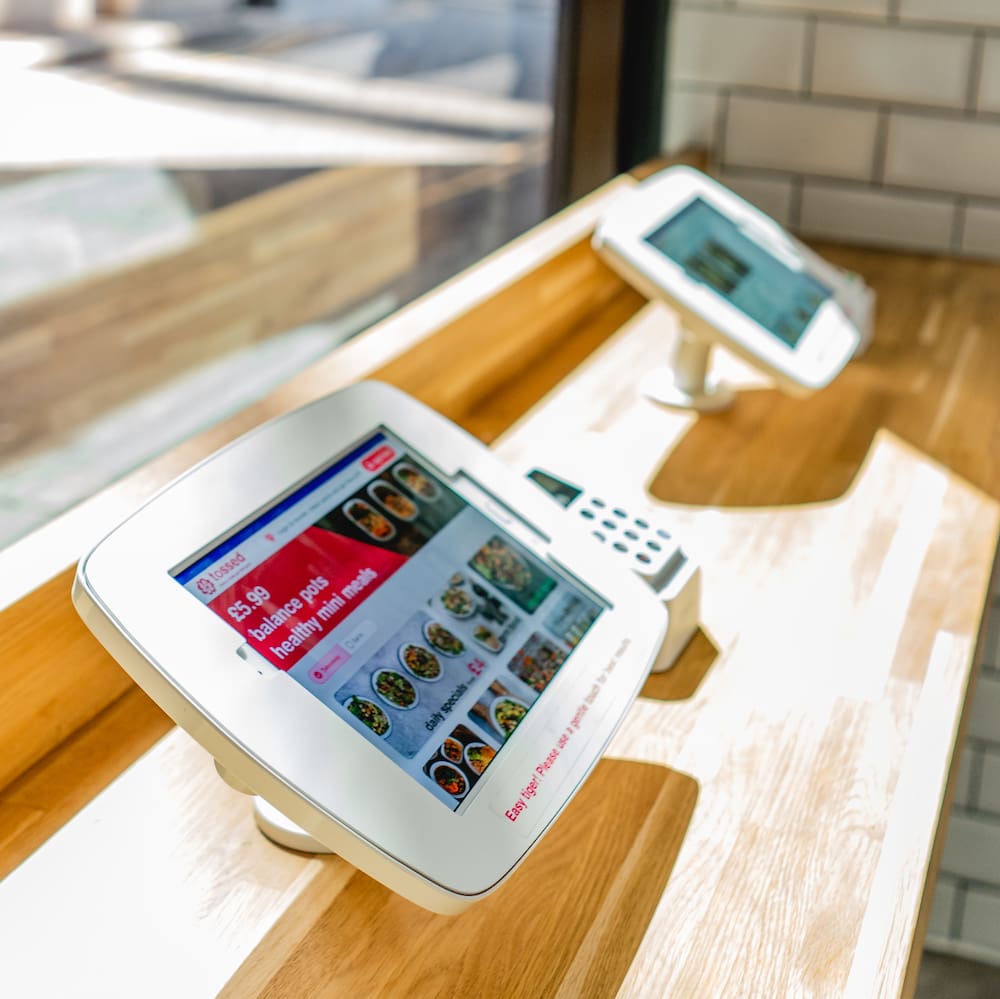
In the current restaurant landscape, operators face rising labour costs, higher customer expectations and increasing pressure to improve efficiency. Restaurant kiosks have become one of the most effective ways for operators to improve operations, increase throughput and create better guest experiences while maintaining cost control.
This guide explores how restaurant kiosks help hospitality businesses grow, the benefits they deliver and the results restaurants across the UK are already achieving.
Download the guide below, or scroll down for a summary.
The rise of restaurant kiosks
Customers are more comfortable ordering through digital channels than ever. Research shows that 63% of customers find it easier to browse menus on a kiosk than queue at a traditional till, with 95% of Gen Z customers preferring the experience. Two major forces drive this shift:
- Customers want speed, convenience and personalisation.
- Operators need more efficient and consistent operational models.
Restaurant kiosks provide both, creating a better experience for guests, the kitchen and the bottom line.
1. Restaurant kiosks reduce labour costs without hurting service
With wage increases, rising overheads and tighter margins, operating efficiently with fewer staff is becoming essential. Restaurant kiosks allow customers to place their orders themselves, reducing reliance on front-of-house labour during busy and quiet periods.
Self-service does not have to mean fewer staff on site. Many brands repurpose team members into roles that add more value, such as:
- Food running
- Cleaning and maintenance
- Customer support
- Speeding up fulfilment in the kitchen
McDonald’s used kiosks to remove order taking from the critical path and redeploy staff to deliver meals directly to tables. This created a stronger overall customer journey.
This approach builds a more productive team, a smoother service and a more profitable operation.
2. Increased average transaction value through smart digital upselling
Restaurant kiosks consistently outperform human cashiers when upselling. With a digital ordering experience:
- Every item can be upsold consistently.
- Meal deals and upgrades can appear at the right moment.
- Customers can explore the whole menu without feeling rushed.
- Some operators using Vita Mojo kiosks have seen increases of up to 20% in average transaction value.
- Customers tend to be more relaxed when browsing a kiosk, which leads to higher uptake of sides, drinks, meal deals and customisations. Digital menus also remove the risk of misheard orders, helping operators reduce errors and waste.
3. Restaurant kiosks improve throughput and reduce queues
Queues may look like a sign of popularity, but for restaurants they often represent lost revenue.
- 81% of customers find queues frustrating.
- 61% would leave and go elsewhere if they had to wait more than ten minutes.
Traditional service models create a bottleneck during peak hours when order taking limits how many customers a restaurant can serve. Restaurant kiosks increase order-taking capacity immediately.
The impact includes:
- Shorter queues
- More orders processed in the same time
- Higher takings during peak periods
- More satisfied customers
Some operators have cut queue times by around half after installing kiosks, improving throughput and the overall customer experience.
4. A better guest experience in every setting
Restaurant kiosks are not only faster and more cost-effective but also enhance the guest experience. With fully branded and customisable user interfaces, kiosks create a digital front of house that:
- Engages
- Guides
- Helps customers take full control of their experience
From larger visuals and detailed descriptions to nutritional data and customisation options, guests gain more choice and more confidence. Digital ordering also supports full consistency across every ordering channel, whether a customer is in store, on Click and Collect or ordering from a delivery partner.
Case study: Tossed
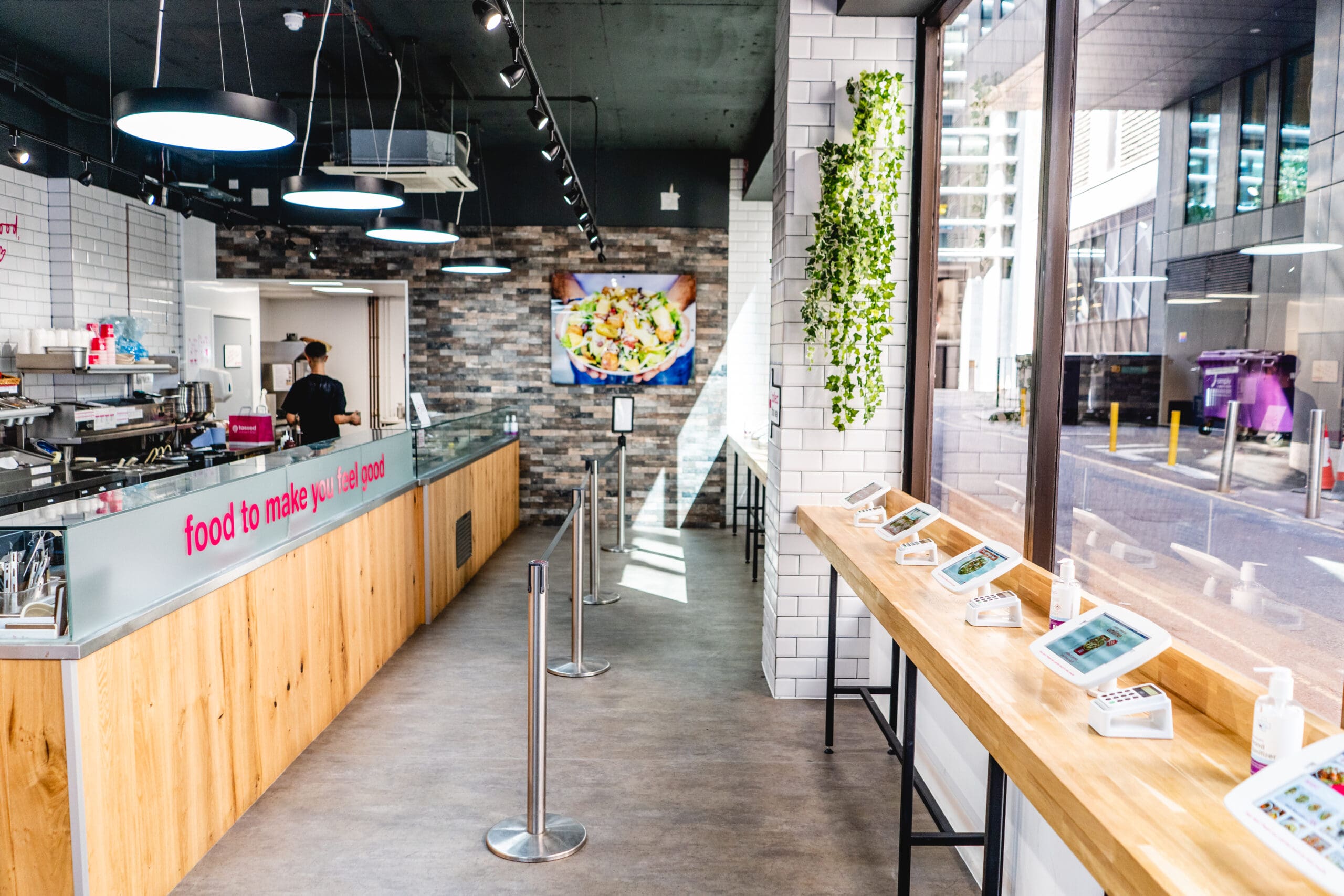
Tossed moved to a fully digital ordering model in 2016, making kiosks the main in-store ordering method. The results include:
- 31% increase in Click and Collect average order value
- 21% increase in kiosk average order value
- 66% of orders contain customisation
By managing all digital menus through one platform, the restaurant no longer needs to update individual delivery partner menus separately. This saves time, reduces admin and maintains consistent brand presentation across every digital touchpoint.
Restaurant kiosks build future-proofed operations
Restaurant kiosks are not a short-term fix. They represent a long-term operational shift that helps hospitality businesses:
- Serve more customers with less operational strain
- Reassign staff to roles that add more value
- Improve accuracy and reduce wastage
- Increase revenue per transaction
- Deliver a more modern and consistent guest journey
Operators using kiosks are not only adapting to rising costs. They are using digital ordering to build stronger and more scalable businesses.