Tech innovation has been a double-edged sword for the restaurant industry.
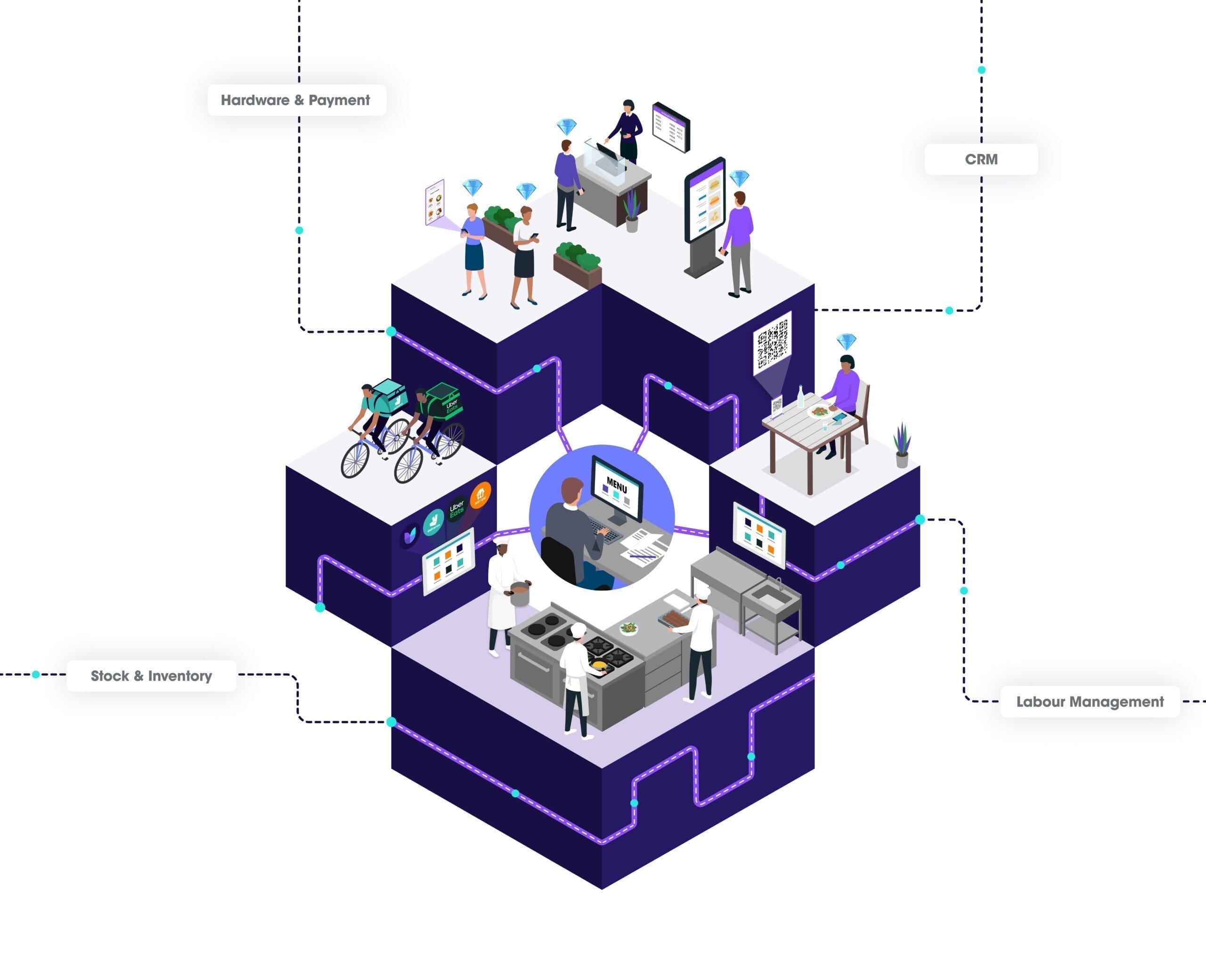
Individual providers developed tools for restaurant businesses to innovate and boost efficiency. But these point solutions focus on just one part of the order management process, bolted onto an existing POS.
The result? A ‘Frankentech stack’ of integrations, which have a profound effect on business growth, operational stability and guest experience.
But by embracing a new way of managing orders, forward thinking brands like Deep Blue and HOP Vietnamese have managed to drive exponential growth in the face of these challenges. “HOP’s new model means we can hit the accelerator on growth,” explained founder Paul Hopper, stating that the brand aims to expand to 10 locations by 2024.
So what does this new way of managing orders look like?
Join us for a dive into the top challenges facing restaurant operations, and exactly how innovative brands are solving them.
The root of the problem? Your POS.
POS has long been the centre of a restaurant’s tech stack.
This made sense when guests only ordered in-person, but the world has changed – most restaurants now take orders from multiple channels including delivery aggregators.
The problem? Most restaurants have kept a traditional POS at the centre of their tech stack, bolting on point solutions in a complex web of integrations. But these systems weren’t built for today’s fast-moving multi-channel world.
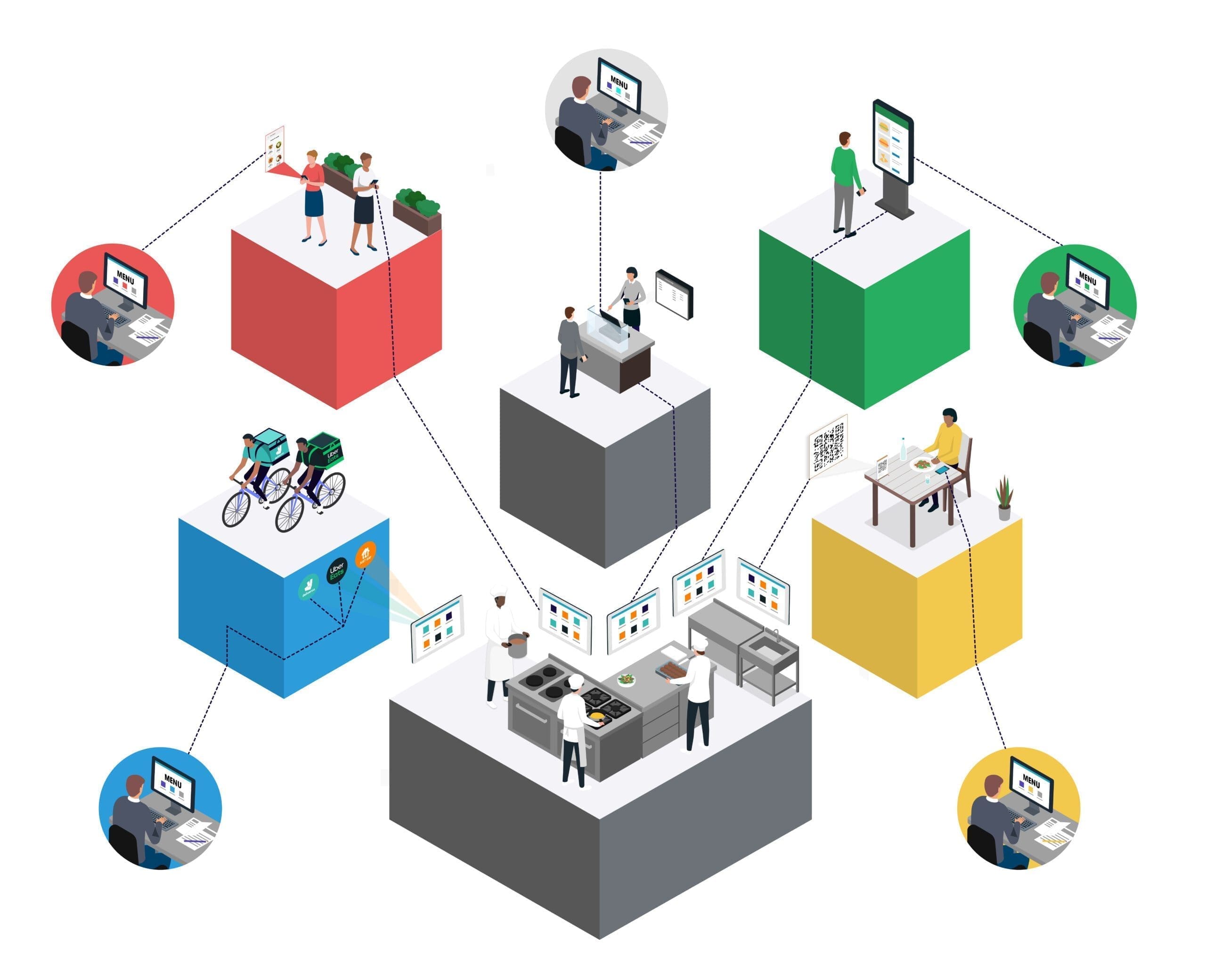
It’s a hard pill to swallow, but the top challenges facing restaurant operations usually come from building a complex web of integrations around a POS.
1. Inconsistent guest experience
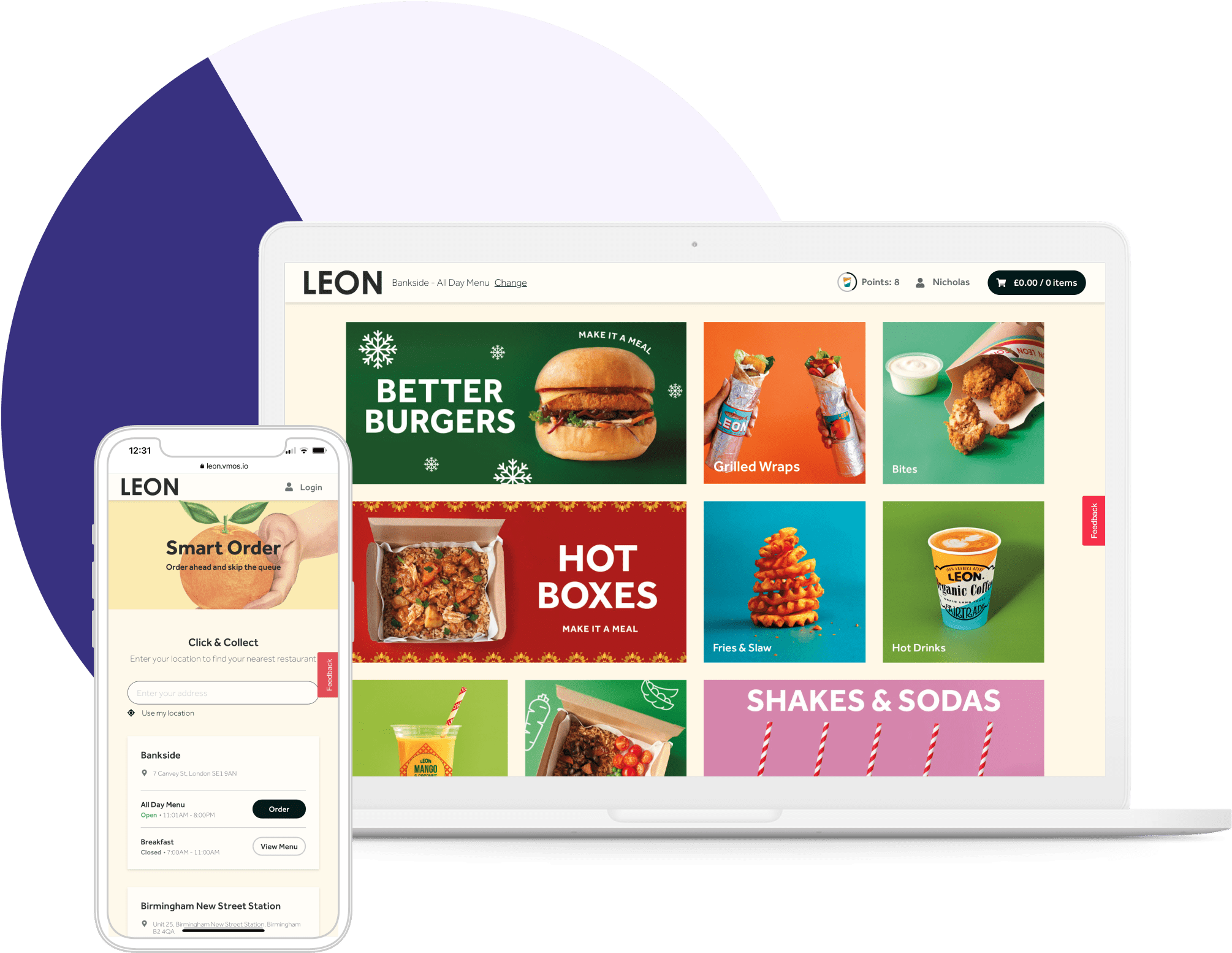
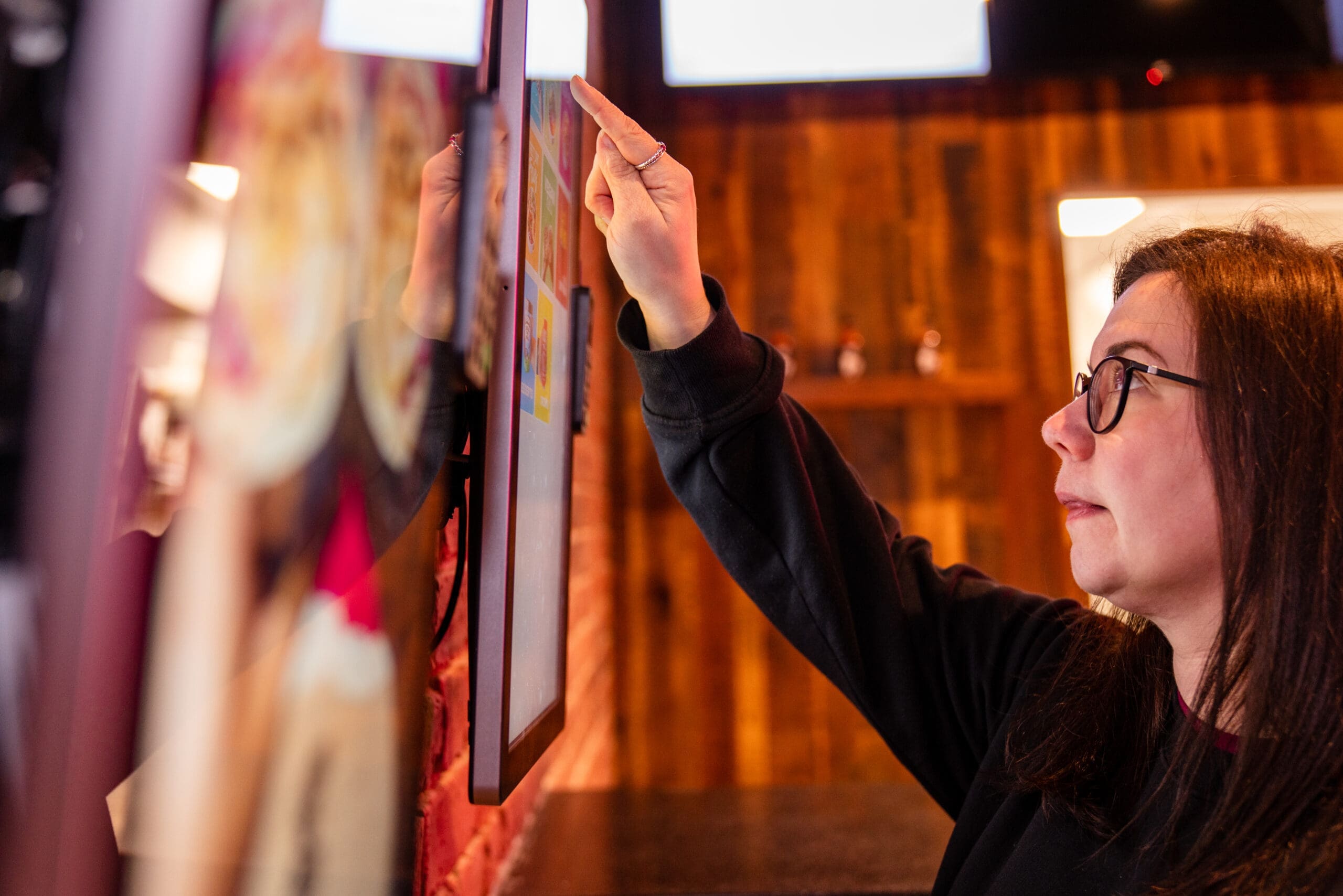
From kiosks to mobile apps, guests now expect an ordering and loyalty experience that looks and feels the same across multiple channels.
Traditional POS systems weren’t built for multi-channel ordering, so the only solution has been bolting on solutions for digital ordering and loyalty programmes. This might solve the problem of offering other channels, but this workaround makes it difficult to create a consistent guest experience.
Innovative restaurants need a way to scale across new channels while keeping their unique brand at the heart of the guest experience.
2. Kitchen chaos
Combined with digital ordering channels, third-party delivery services add another layer of complication to operations, especially back-of-house.
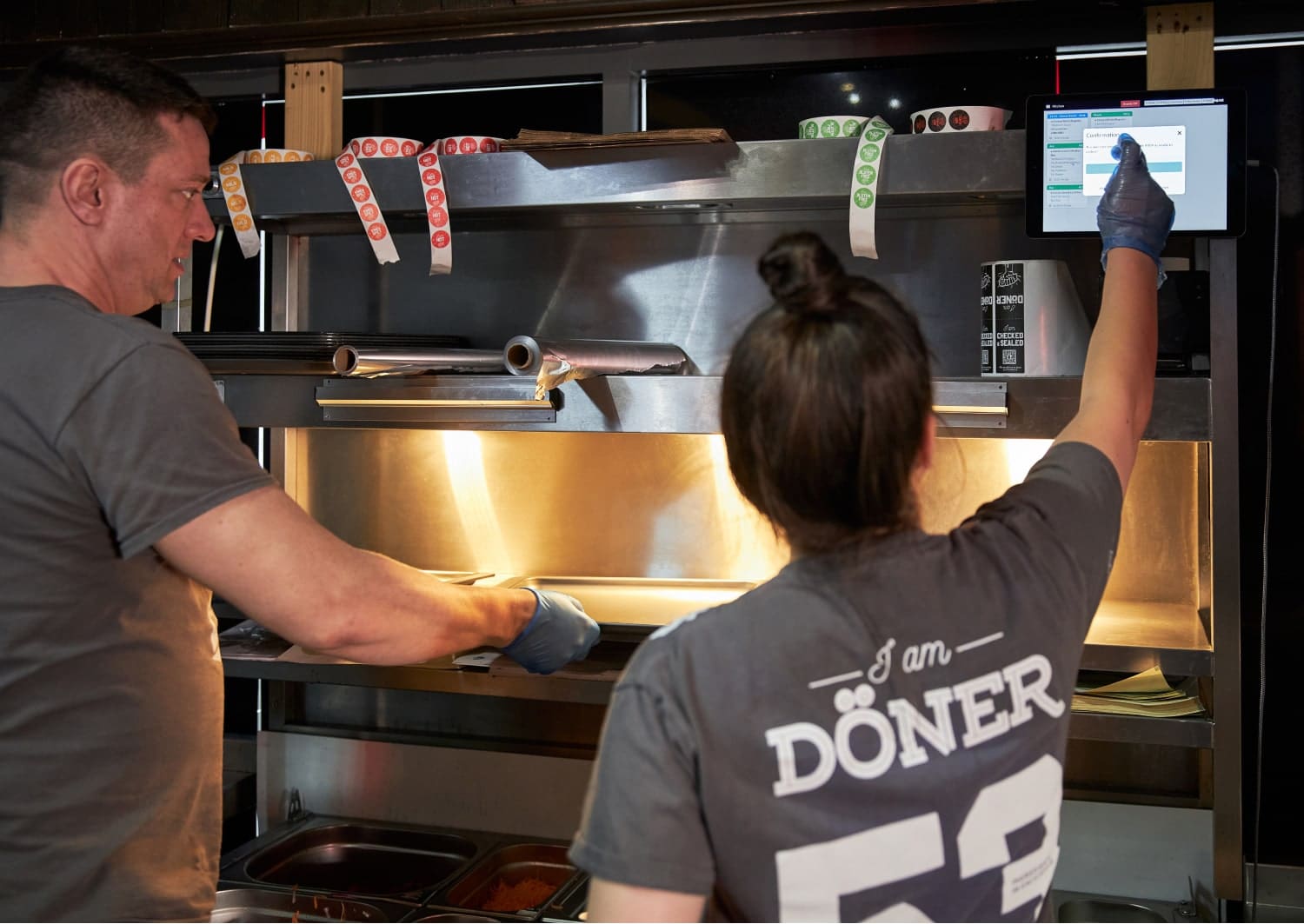
Tablet hell is real, and kitchen teams are living it. Trying to manage orders with a different tablet per ordering channel is an uphill battle leading to errors, delays, and a compromised guest experience.
It also contributes to a slowdown in growth: how can you accept increased orders when your operation struggles to fulfil the ones you’re already getting?
3. Time consuming menu updates
Time is a valuable resource, and with inefficient ways of working, restaurant Operators don’t have any to spare.
Productivity comes to a standstill as precious time is wasted updating menus, pricing and site information several times across multiple different systems