5 May 2026
Five lessons from YouMeSushi on building a franchise model that scales
How does a fast-growing QSR brand scale through franchising without losing control? Five lessons from YouMeSushi’s Tim Circus, Head of Franchise.
Explore how fragmented restaurant menu software is costing the industry valuable time, and discover the solution to this menu management time-sink.


The task of updating menus across multiple channels should be simple.
But in reality, it usually results in restaurant operators banging their heads against a tablet in frustration.
With tough trading conditions continuing and food inflation at a 40 year high, the menu management problem is a time-sink the industry can’t afford anymore.
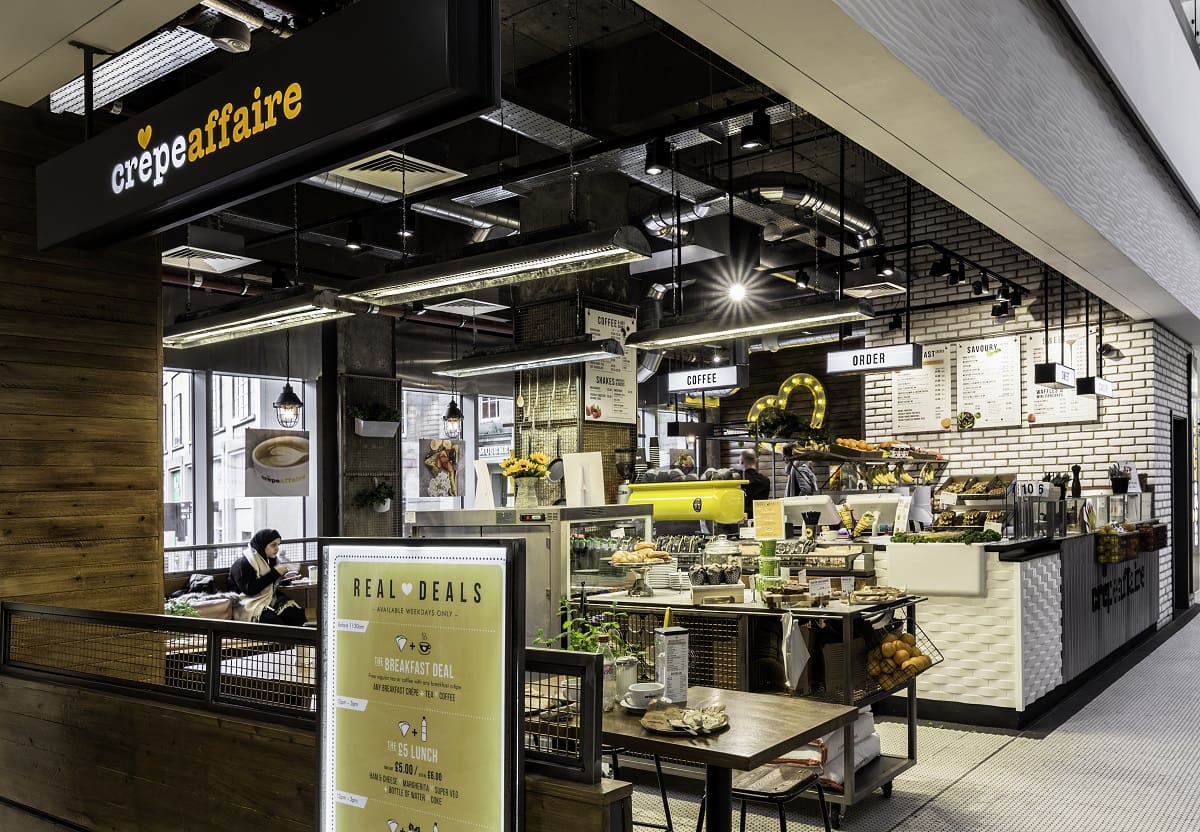
But as proven by pioneering crepe cafe Crepeaffaire, it’s a solveable problem.
“We used to work through the night to make menu updates,” explained Crepeaffaire’s Digital Brand Manager Richard Gilliatt. “There was no way to update everything in a simple way during trading hours.”
So what was the solution?
In this article, you’ll learn how to save hours on manual updates by using restaurant menu software as part of an order management system – freeing you up to focus on growing your restaurant brand.
Updating your menu was a much simpler job when the only ordering channel available for customers was in-store via a member of staff.
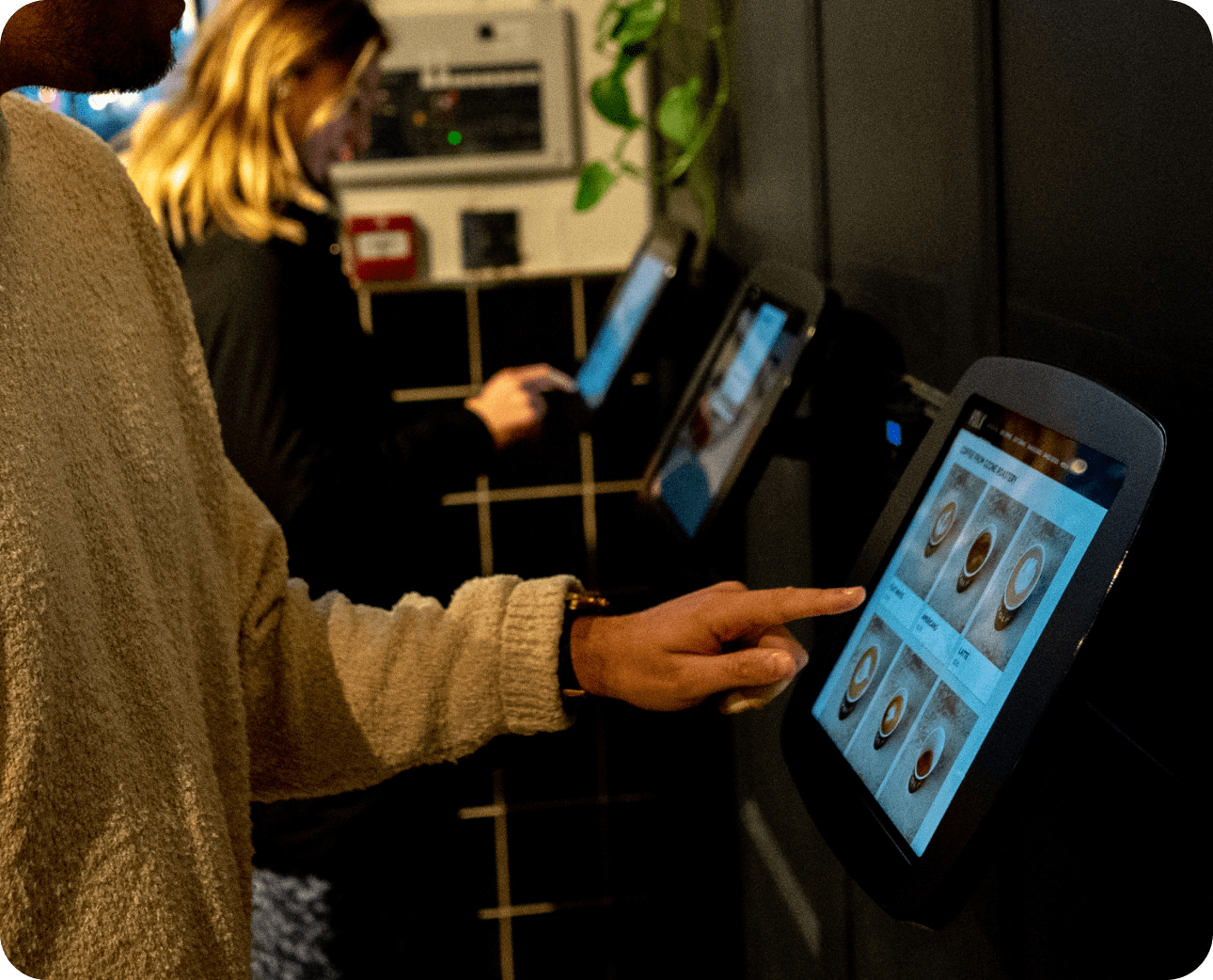
But restaurants now typically offer multiple ordering channels. From self-order kiosks and mobile order and pay, to third-party delivery platforms like Deliveroo and Just Eat.
Multi-channel ordering is a double edged sword for operators.
On the one hand, it presents a significant growth opportunity. But it can also cause huge operational problems if a restaurant brand isn’t set up with the right tools and processes.
Why? Because restaurants using multiple technology solutions to manage ordering channels will have to make menu updates multiple times.
Thanks to inefficient restaurant menu software, even making a simple change like adding a new meal deal will mean a separate menu update on every channel. That’s hours wasted logging into multiple systems for online, off-premise and third-party delivery orders.
Despite the rise of multi-channel ordering, most restaurant brands still position the POS at the centre of their tech stacks. Separate ‘point solutions’ are then added for new ordering channels.
Kiosks, for example, will be launched, maintained and updated with one provider, but Click & Collect with another. Third-party delivery partners add yet another complication to the web.
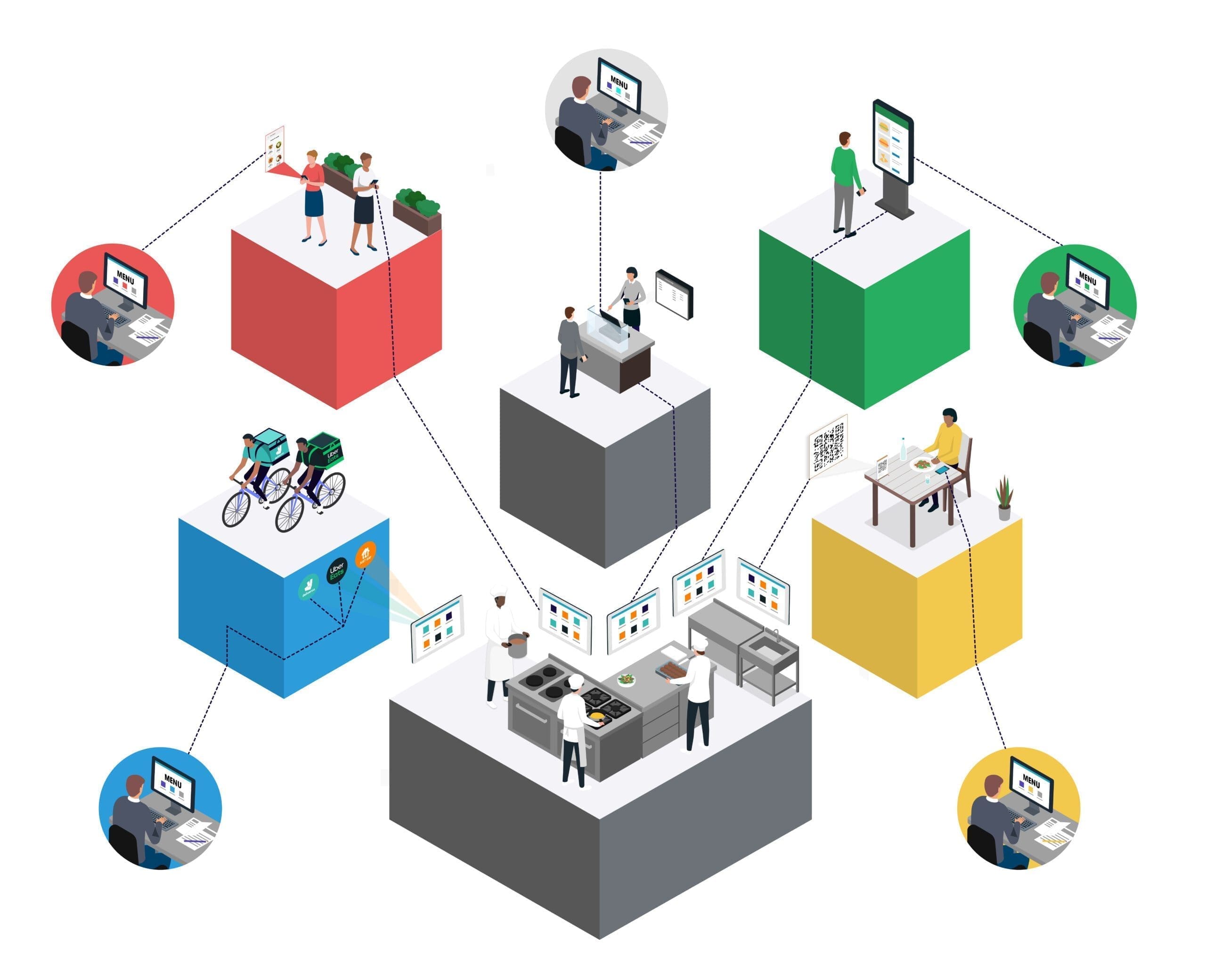
The result is that menu management requires excessive manual labour for what should be a simple job.
Think constant account switching, time-wasting and the inevitably of human error. This problem grows exponentially with the size of the operation.
Consider having multiple locations, and your menu existing on your POS, online order channels and three separate delivery platforms. The time it takes to make simple updates across all those separate point solutions will actively hold restaurants back from growth.
In fact, with the fragmented tech stack they were working with, the team at Crepeaffaire were having to literally work through the night to make updates.
So how did Crepeaffaire solve the problem?
Operators are being bogged down in the admin of maintaining menus across a fragmented tech stack of individual points solutions. It was no different for Crepeaffaire.
The complicated, POS-centric approach didn’t make sense anymore with the advent of omnichannel opportunities.
Crepeaffaire’s answer? Fundamentally moving away from this approach and shifting the operation to an order management system.
Embracing an order management system has empowered the team to make menu updates with more speed, less human error, and within working hours.

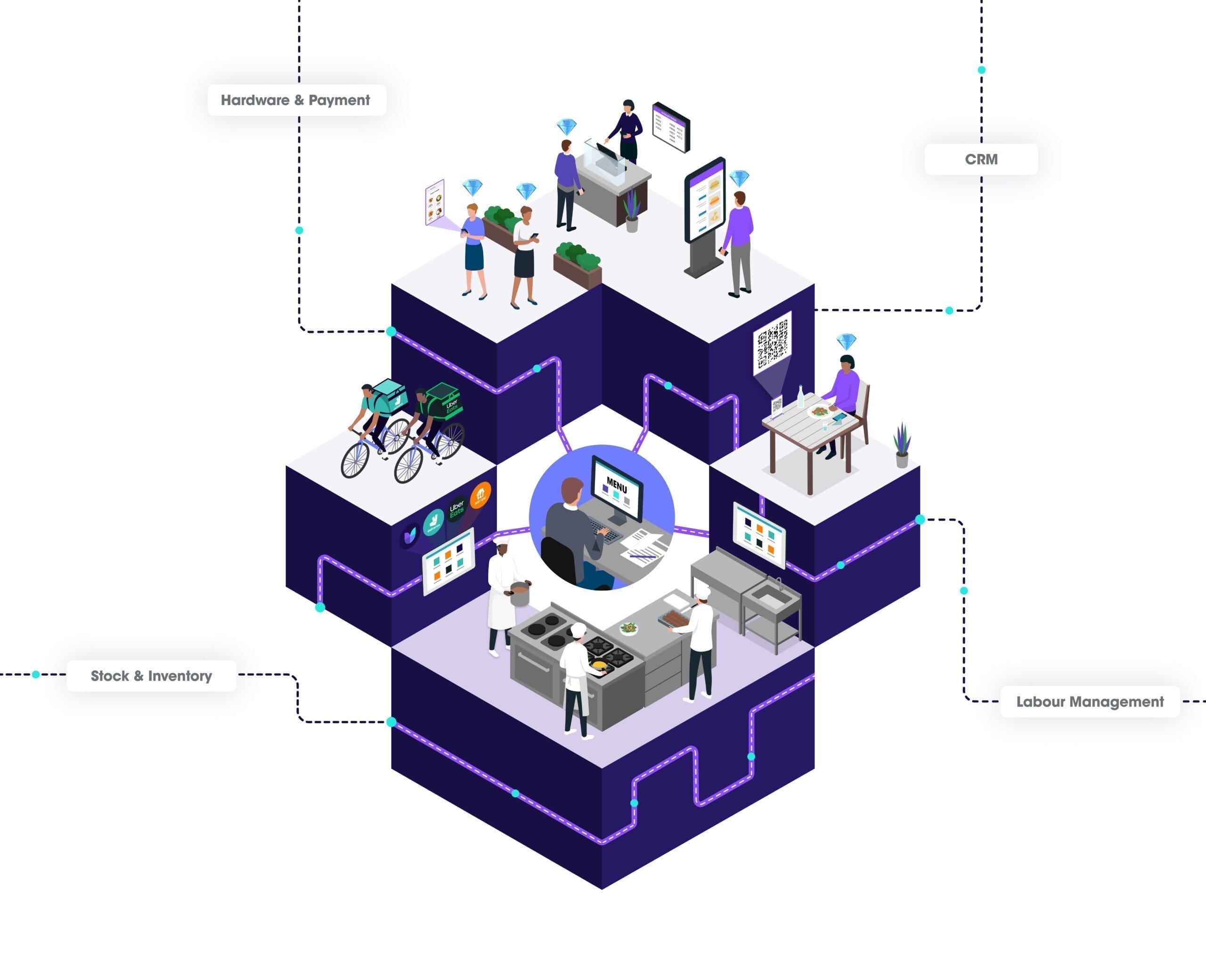
An order management system enables operators to manage the entire order life cycle in one, reliable end-to-end system.
From digital ordering, POS and fulfilment through to data and – of course – menu management. An order management system has everything an operation needs to take and make 100% of orders, all in one place.
Updating one dish multiple times for each order channel? Forget about it.
An order management system empowers operators to make menu updates once, and push that change to all relevant channels with the push of a button.
So if you’re changing the price of that side – for example – you only need to update it once to see it change across your kiosks, POS and Deliveroo.
Multiple locations, multiple menus and multiple channels – even multiple brands can be updated, all from a single system.
It’s the solution that grants operators back the time they need to focus on what matters. Growing their restaurant.
In fact, 48% of restaurant brands told us that the ability to update a single menu for use across multiple channels is the most valuable feature they look for in a Point of Sale system.
An order management system gives operators the power to move quickly on menu updates, and react speedily to changes in the market and cost of production.
And along with easy access to centralised data across your entire operation, being able to operate with an agile menu model means you get stuck into the art of revenue-boosting menu design.
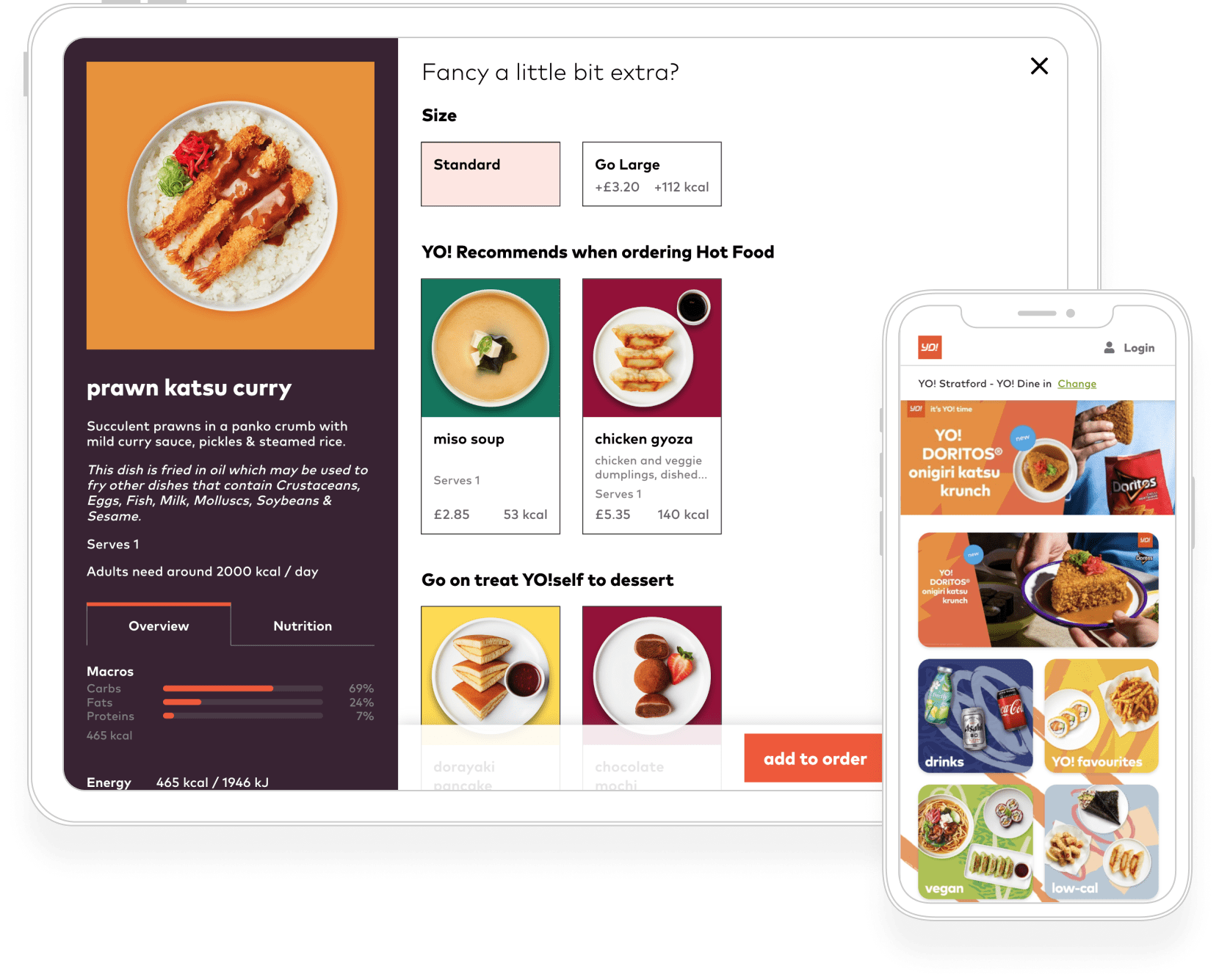
With the Vita Mojo Order Management System, the Crepeaffaire team can now alter pricing, put new meal deals together or try new delivery bundles, quickly.
It’s resulted in a 50% increase in order value, with a massive 61% increase in ATV through mobile ordering.
And the best part? Crepeaffaire can update their menus once and schedule when they go live across all channels, without losing any sleep. Game changing.
Your operation doesn’t need to be held back by fragmented restaurant menu software. The Vita Mojo Order Management System empowers leading brands to take back the time they’re wasting on updates, and put that time back into building revenue.
How does a fast-growing QSR brand scale through franchising without losing control? Five lessons from YouMeSushi’s Tim Circus, Head of Franchise.
Keyana Mohammadi, Head of Marketing for Dave’s Hot Chicken UK and Ireland, shared the strategy behind one of the most talked-about quick-service restaurant (QSR) launches in recent UK history.
Your regularly updated release notes, revealing what’s available across the Vita Mojo Restaurant Order Management System.