
9 October 2026
Creative foodies, behaving like a tech team: inside The Salad Project’s innovation story
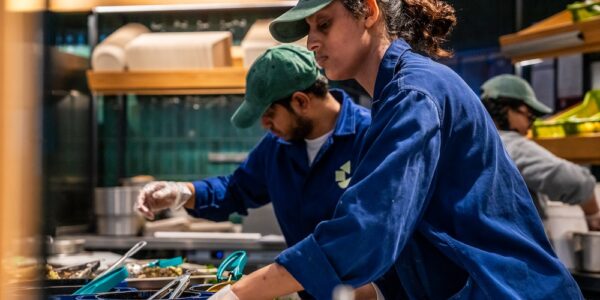
Clem Haxby of The Salad Project shares how a team with no tech background built a loyalty-led digital growth engine.
Learn the benefits of centralising your hospitality data, and how easy-to-read, real-time reports will help you scale your business.


Almost 50% of operators report that being unable to make sense of their sales data is stopping them from making data-backed decisions.
Having multiple order channels and multiple locations can make it extremely difficult to gather all sales data in one place.
But having a real-time, data informed view of your entire operation is crucial in understanding and scaling your business. Not having access to this will profoundly impact the success of any growth strategy.
Join us as we dive into the benefits of getting your hospitality data into one place, and how to recognise which tech partner will actually deliver this…
You run a restaurant, and it’s a tough business to be in – and that means you can’t always rely on gut instincts alone when making critical business decisions.
With ever-increasing channels, locations, and data sources, having access to comprehensive and intelligible sales data is absolutely essential for driving sustainable growth. However, according to recent industry research, almost 50% of operators report being unable to properly leverage their sales data for decision-making purposes.
When setting up a tech stack, one of the most important questions is: how will you create a single source of truth for your hospitality sales data?
If you depend on multiple point solutions and providers, think about how long it will take to manually consolidate data from them, across all your channels, locations and brands.
You need to ensure your data setup will empower you to make quick, agile decisions based on real-time data that reflects your entire operation.
Put it all in one place, and use it grow
Book a chat with a hospitality expert and find out how to make data-backed decisions confidently with all your reports in one system.
44% of operators don’t believe they have the skills within the business to make the most of their sales data. This is often the result of the data being walled off by incomprehensible reports only a data analyst could understand.
Getting your hands on the data easily is only half of the equation. You also need to easily read and understand it so it can actually serve a purpose. You should be able to quickly pull up the exact data you need, and be able to identify trends that can inform your growth strategy.
This should also apply to the wider team – making GMs on the ground more data- independent starts by supplying them with reports they can read and use.

The primary culprit is a lack of centralised data and clear reporting capabilities within tech stacks.
When restaurants depend on multiple disconnected point solutions across online ordering, POS systems, loyalty programs, and more, it creates significant obstacles to quickly getting any actionable insights from data. Without a single source of truth, operators are left scrambling to merge data from various sources manually.

The consequences of this data debt can be severe, stopping restaurants in their tracks from making the informed decisions required to execute growth strategies successfully.
How can you confidently analyse performance, identify areas of opportunity, optimise sales channels, or measure ROI when the numbers are scattered and trapped in complicated database formats?
You simply can’t. Operating in those types of blind spots inevitably leads to missed opportunities, flawed planning, and hindered revenue potential.
The solution lies in prioritising a centralised data system and easy-to-use reporting when selecting and designing your restaurant tech stack.
Getting data to flow from all channels, locations, and brands into a single place is crucial. This provides a genuinely holistic view of the entire business with consistent definitions and metrics.
From there, flexible reporting tools that can quickly visualise insights in easy-to-consume formats become paramount.
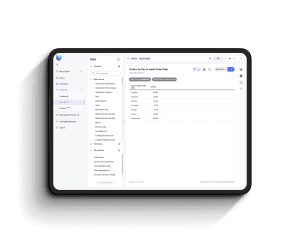
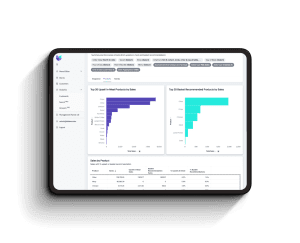
While analysts might require direct database access for deeper exploration, the reporting tools should empower everyone, from executives to store managers, with self-service access to the KPIs and trends they need to monitor performance and make decisions. No more static PDFs or gut-feeling guesswork.
– Quickly identify successes so you can put resources into the right things
– Pinpoint areas for cost savings across your operation
– Run customer analysis to inmprove promotions, loyalty programs, and customer journeys
– Gain location-level insights to replicate successes in other sites
– Equip team members with the tools to monitor goals and pivot quickly when needed independently
The advantage of having a data-driven decision framework harmonising all corners of the business is obvious. With centralised numbers everybody can understand and rely on, restaurants transform a constant guessing game into continuous improvement, driven by facts rather than hunches.
Of course, actually implementing this requires a critical look at your existing tech stack.
When vetting potential vendors and solutions, be sure to enquire in depth about their data and reporting capabilities.
In today’s ultra-competitive market, having clear, trustworthy visibility into your numbers is what separates the growth leaders from the laggards. Don’t let your restaurant fall victim to the data chaos and lack of insight hampering nearly half the industry.
Ready to scale your business with data? Book a demo and discover how you can increase revenue, operate more efficiently, and build the foundations for long-term growth.
Clem Haxby of The Salad Project shares how a team with no tech background built a loyalty-led digital growth engine.
Chris George, VP of Product, walks through six months of delivered features and gives a first look at the second half of 2026.

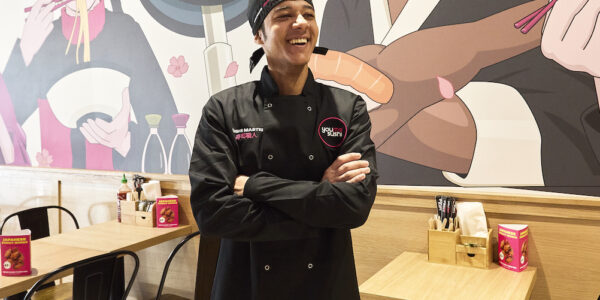
How does a fast-growing QSR brand scale through franchising without losing control? Five lessons from YouMeSushi’s Tim Circus, Head of Franchise.
Want to see more from Vita Mojo?