
15 July 2026
Vita Mojo’s 2026 product roadmap: What we’ve built, what’s next
Chris George, VP of Product, walks through six months of delivered features and gives a first look at the second half of 2026.

Get all the insights and tips shared by the experts in coffee shop growth at the lunch! and Casual Dining Show 2024.


Between LEON launching it’s new coffee subscription, Pret A Manger rethinking it’s own, and Blank St Coffee partnering with Sabrina Carpenter for some incredible Gen-Z marketing, it’s been a big year for coffee shop brands.
At lunch! and the Casual Dining Show, experts from leading brands and hospitality experts set the scene for the coffee sector, delivering insights into both challenges and growth opportunities operators need to be thinking about right now.
Catch up on the most useful tips shared below…
A shared experience across the sector is that customers are willing to spend a little more if the experience is perfect. “We’re competing with Netflix and a sofa,” explained Allen Simpson, Deputy CEO at UKHospitality. “How do we beat them? Not on price, but on experience. Experience is going to be the differentiating factor in the industry.
For coffee, this means focusing on delivering a convenient, friendly, and friction-free customer journey – it’s a concern even for the biggest brands.

Ensuring that you’re delivering the perfect customer experience every time is much easier when the tech you’re using empowers your team to do so.
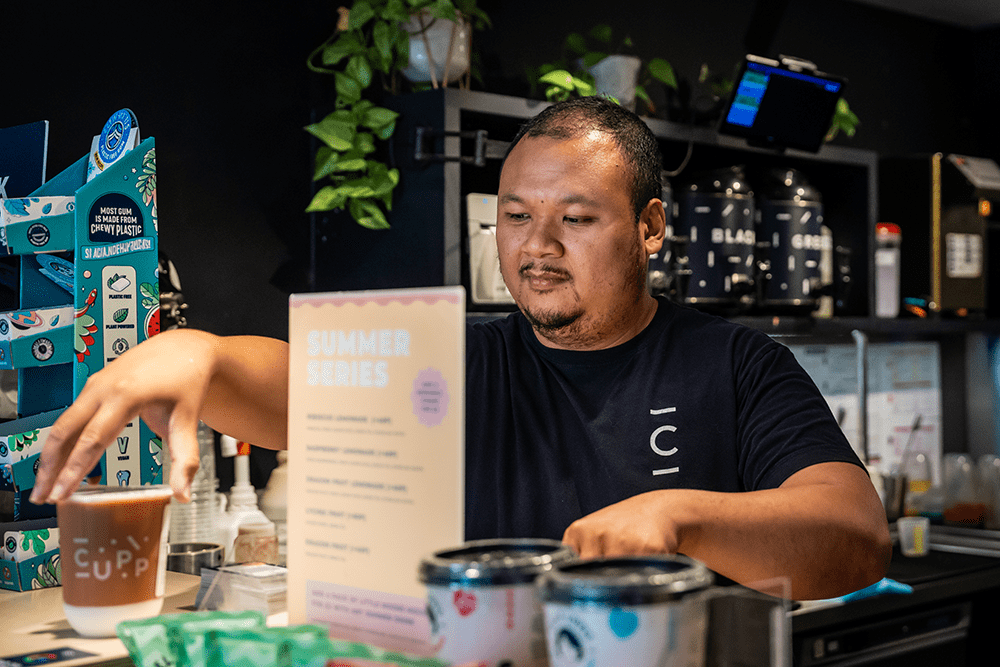 2. Use tech to help improve the customer journey (and recover rising costs)
 Like the rest of the hospitality industry, coffee shop brands are grappling with the soaring costs of labour. With an increase of over 20% for some workers in April 2024, there’s even more cost rises on the horizon.
“The minimum wage is a challenging salary to live on,” explained Allen Simpson, from UKHospitality, “but it’s a challenging salary to hire someone on if you’re a cafe. The government can and should take the edge of that cost.”
But while government help is pending, there are ways to recover some of that cost by maximising the efficiency of your operation, even if you can’t afford a bigger team. It’s less about cutting staff and more about freeing them up to deliver that human touch your customers expect.
“It isn’t about removing people,” explained Buns From Home CEO Shereen Ritchie. “You can never replace a human – the person who knows your order is an oat flat white. But I can boost efficiency through tech, and by being open-minded about things to come.”

Learn:
Despite ongoing difficult trading conditions, innovative brands are able to grow. GAIL’s Bakery and The Coffee House discussed their expansion, with both brands highlighting the value of a non-London centric view.
“The Northwest is underestimated,” said Russell Simpson, Operations Director of The Coffee House. “It’s the scene of coffee and food to go, and it’s got a bigger appetite than people realise.”
These aren’t the only brands on a growth path – Shannon Goldsmith, Senior Insight Analyst at IGD explained that the coffee and drinks sector specifically is predicted to grow by over 30% by 2029.
Part of this is driven by changing consumer habits. More businesses are expecting workers in the office more frequently, for example, which is a benefit to those city-based coffee shops. As Simon Stenning, Founder, FutureFoodservice pointed out, there’s also an opportunity for coffee shops in the way that consumers are eating throughout the day. They’re increasingly swapping three meals a day for two and a half, replacing that meal with snacks – coffee shops and bakeries are perfectly positioned to deliver this.
Gen-Z actually decreased their coffee consumption in the last year, as reported by Shannon Goldsmith.
Some of this behaviour might be health-based, but there’s also fact that younger consumers have more choice than any other generation. There’s more competition for coffee from other specialist drinks, such as bubble tea, matcha and smoothies. Brands have to adapt to stay relevant; for example, Costa added bubble tea to their summer specials lineup.
Gen Z is also always on the hunt for the next big thing, such as Blank St’s hugely successful matcha tea flavours, which frequently go viral.
Goldsmith pointed out that even if you aren’t creating the next viral sensation, you at least need to be able to get the trending drink on your menu quickly. So ensure your menu management is as efficient as possible so you can take advantage of viral trends ASAP.
Shannon Goldsmith reported that whilst 50% of food-to-go-visiting consumers (across all sectors) were satisfied with the range of healthy options – only 33% felt the same specifically about coffee specialists.
Evidently there’s a gap between customer expectations and reality across the coffee sector, meaning there’s opportunities waiting for those brands that cater to the more health conscious consumer.
There are plenty of brands that are redoubling their efforts to provide healthier options; we’re especially seeing a lot of movement in the world of supplements. Black Sheep Coffee, for example, providing a dedicated protein smoothie, as well as the mushroom-based supplements that have exploded in popularity across the sector.
An important note, though, as pointed out by Spencer Craig, Founder and CEO of Pure, is that health means different things to different people. “It might be about allergies, might be cultural, might be fitness related, low carbs, organic. ‘Health’ means a lot of different things,” he said.
Whilst consumer trends have headed towards an all-round healthier lifestyle, Cathy Goodwin – Global Head of Food Innovation & Nutrition at Costa Coffee – recommended that it’s also important to ensure even these healthier options fulfil the brief of delivering a treat.
“Yes, customers want healthier products,” she said. “But what they also tell us is that they want a treat. They want to relax, and think about nothing else than that moment. Not to be forced into eating or drinking something they wouldn’t normally have done, just to be healthy.”
Book a chat with one of our hospitality solution experts to learn more about how you can deliver the perfect customer experience and increase revenue.
Chris George, VP of Product, walks through six months of delivered features and gives a first look at the second half of 2026.
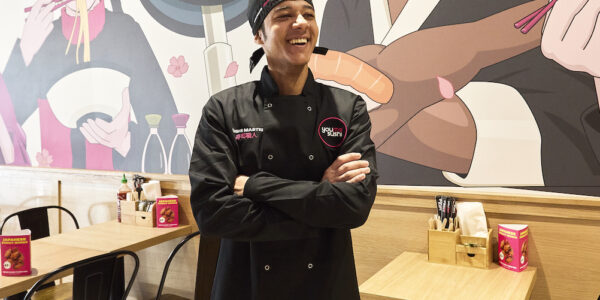
How does a fast-growing QSR brand scale through franchising without losing control? Five lessons from YouMeSushi’s Tim Circus, Head of Franchise.
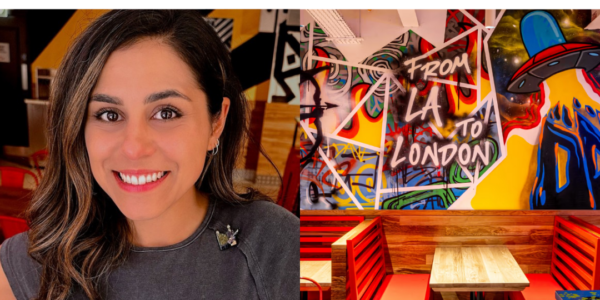
Keyana Mohammadi, Head of Marketing for Dave’s Hot Chicken UK and Ireland, shared the strategy behind one of the most talked-about quick-service restaurant (QSR) launches in recent UK history.
Want to see more from Vita Mojo?