3. Advanced delivery and order fulfilment options will become more common
The landscape of our industry is rapidly evolving, largely due to the rise of online ordering
and delivery apps. It’s an exciting time, with innovative features like real-time tracking and integrated maps becoming the norm.
Initially introduced by pioneers like Uber Eats, these functionalities are now essential elements of the customer experience.
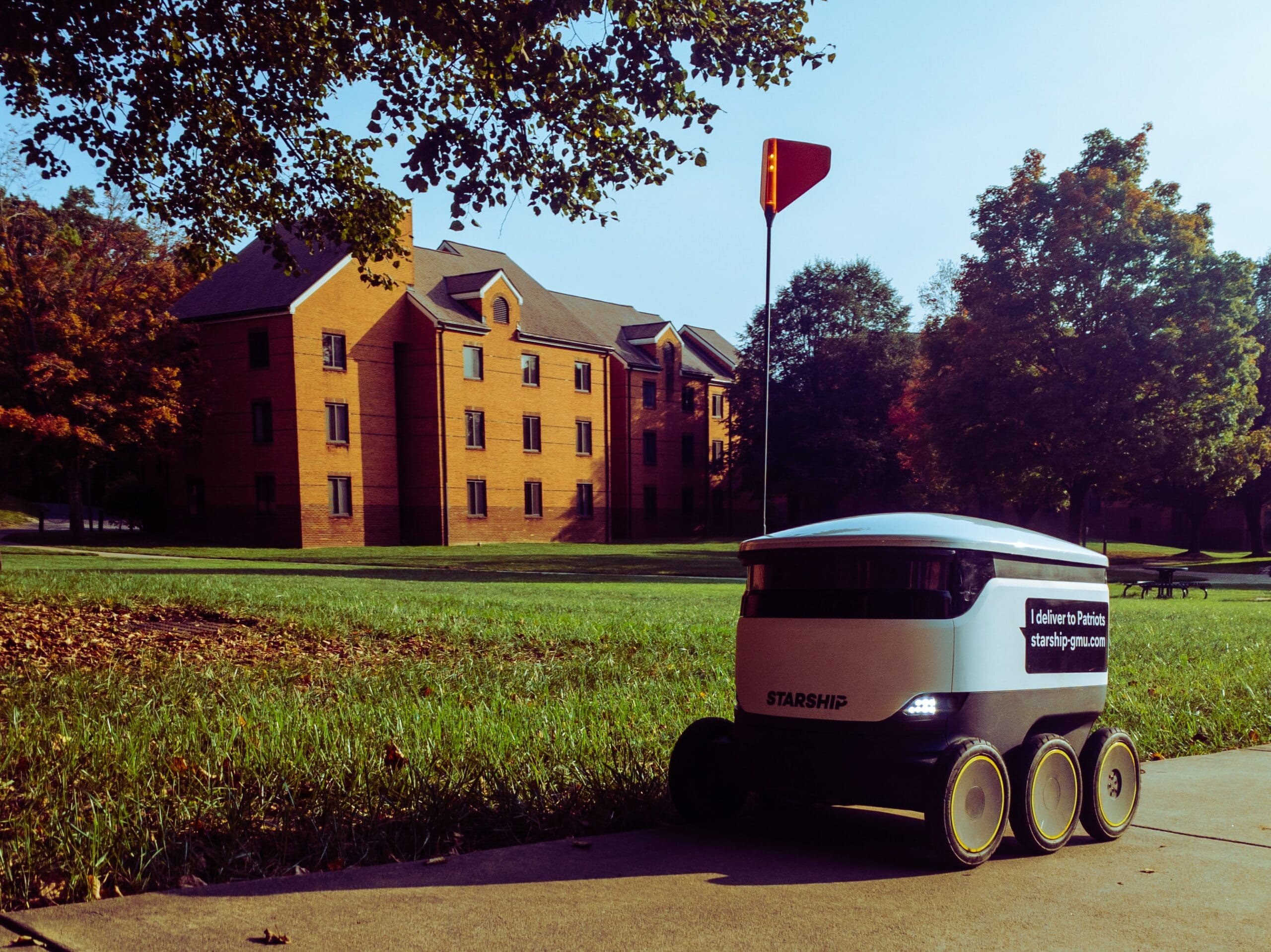
Drones and self-driving vehicles are now stepping onto the scene as significant innovations, a notable example in the UK being StarShip’s use of food delivery robots in Milton Keynes. They offer not only cost-effective solutions, but also environmentally friendly alternatives to traditional delivery methods.
On another front, restaurants are adapting to this new era by introducing versatile pick-up options. Curb-side services and locker systems are examples of how they’re providing more flexibility and convenience to their customers.
These advancements are a clear response to the modern consumer’s demand for speed and convenience in food delivery, highlighting the industry’s commitment to evolving with the times.
4. There’ll be fewer tablets taking up space in the kitchen
If you went back-of-house in a QSR at the beginning of 2023, you’d likely be confronted with enough iPads to rival an Apple store.
Unfortunately working with one tablet per delivery partner and order channel creates chaos in the kitchen, often leading to rushed, low-quality or inaccurate orders. Not to mention the stress it creates for the team.
But as operators have started to sway more towards a streamlined tech approach, the number of tablets taking up counter space has started to decrease. Instead, a Kitchen Management System that reflects every order – no matter where they come from – on a single screen is transforming the order fulfilment process into something much more efficient.
This new approach is allowing teams to work from a single source of truth, helping them fulfil more orders with more accuracy, and less chaos.

5. Fast Casual operations will embrace mobility for streamlined service
In today’s fast-paced restaurant scene, mobile technology is becoming a key player, especially in high-volume settings. It’s all about boosting service speed and ramping up customer satisfaction.
By equipping staff with mobile devices for order taking, restaurants are breaking new ground in efficiency. This approach, often called ‘line-busting,’ is particularly effective during those busy rush hours.
The real magic happens in how this mobility streamlines the entire dining process. Orders taken on handheld devices are sent straight to the kitchen, speeding up food prep and slicing down the wait times for customers. It’s a clear sign of how technology is making restaurant service more agile and responsive.
This mix of tech and service is not just about impressing diners; it’s also about turning tables faster, which means better turnover for the restaurant. It’s a win-win scenario where technology meets hospitality.
6. Data security and customer privacy will become a priority
Restaurants have always been keen on using customer data to enhance their services – think loyalty programs and fine-tuning menus. But as we move into 2024, there’s a crucial aspect that will become more of a focus than ever: data management and security.
With the increasing volume of customer information that restaurants gather and store, it’s vital to put strong security measures in place. This means not only complying with privacy laws but also adopting best practices. We’re talking about secure payment processing, encrypting data storage, and conducting regular security checks.
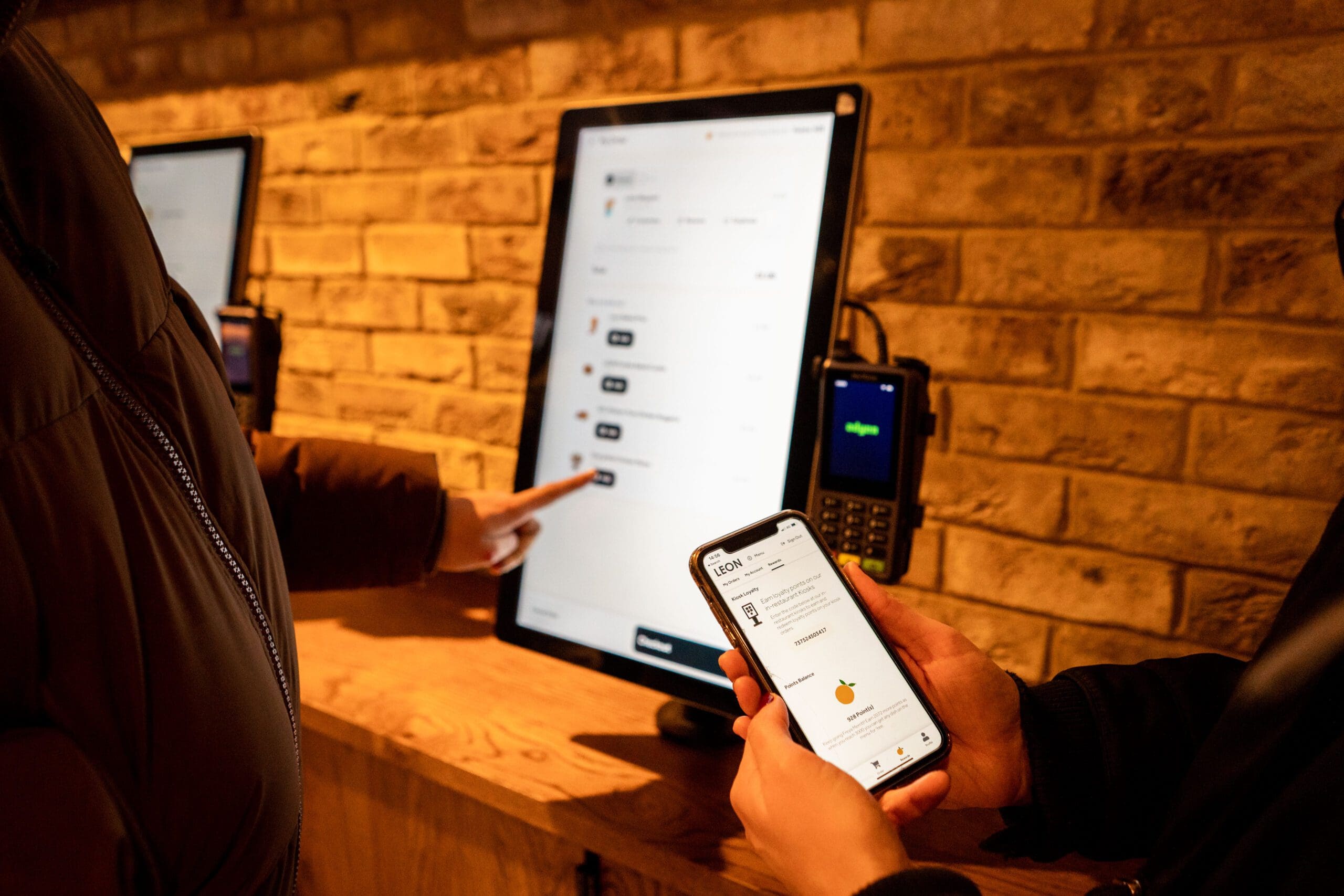
Why is this so important? Well, protecting customer data isn’t just about keeping their trust and loyalty; it’s also a shield against potential data breaches. These incidents can hit hard, not just financially but also in terms of a restaurant’s reputation. In today’s digital age, prioritising data security is no longer an option – it’s a must for the integrity and long-term success of any restaurant business.
The landscape of tech is always changing.
But as we look into 2024, it’s clear that when it comes to order management the key to success won’t lie in simply adopting technologies, but in streamlining them.